
Reviewed by medical experts • For informational purposes only
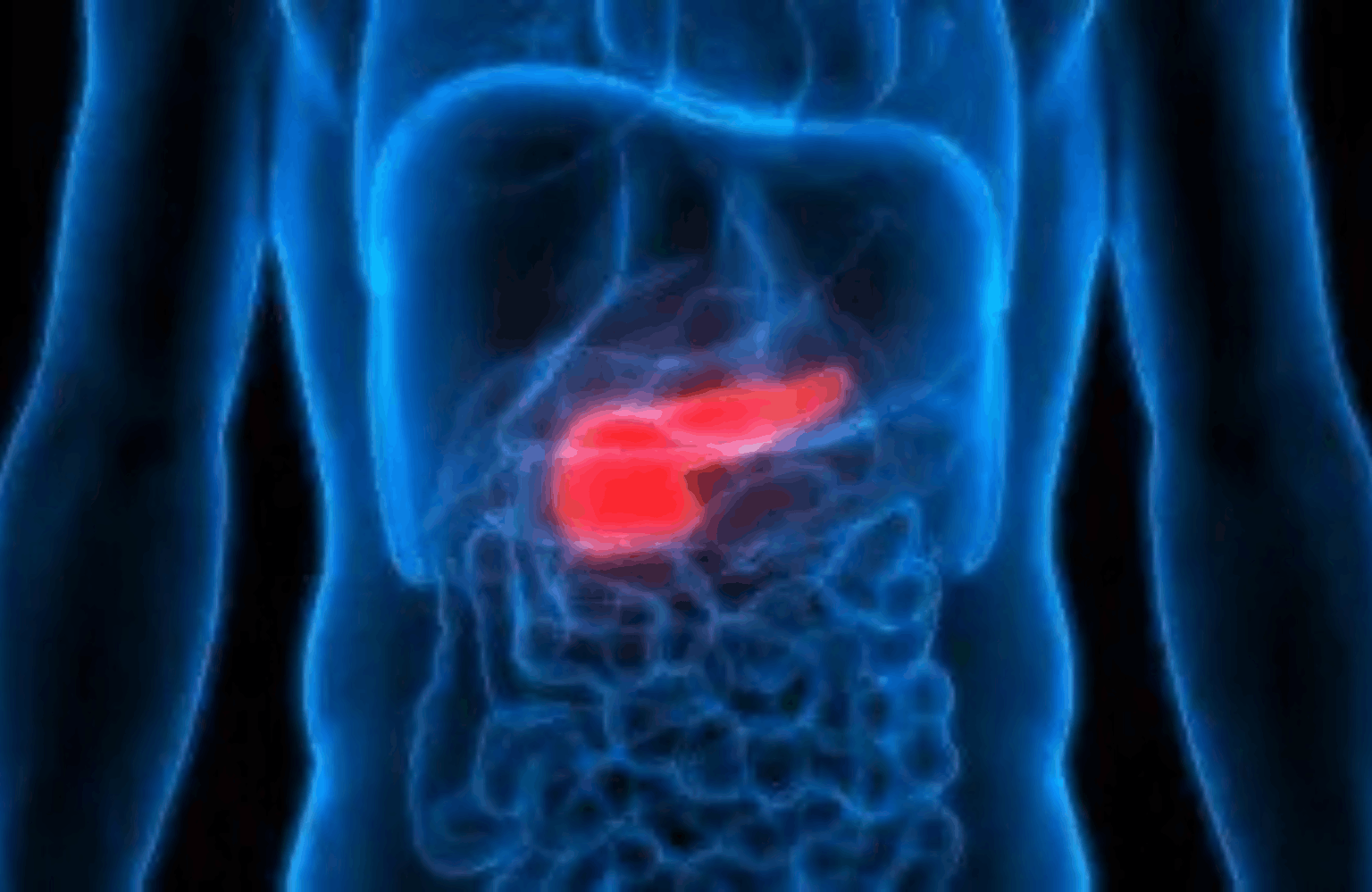
Pancreatitis correlates with Ayurvedic conditions like Agnyashaya Shotha or Pittaja Grahani where aggravated Pitta dosha impairs the digestive fire. It is often triggered by excessive alcohol intake and spicy foods which increase heat and acidity causing burning indigestion known as Vidagdha Ajirna. Clinical features include severe upper abdominal pain termed Parinama Sula along with burning sensations vomiting and fever. The pathology involves Vata becoming obstructed by internal inflammation leading to intense colic. Management focuses on pacifying Pitta through Langhana or fasting to digest toxins followed by cooling diets containing milk and ghee. Therapeutic purgation or Virechana is the primary purification method while formulations like Narikela Lavana and Shankha Bhasma are used to neutralize acidity and relieve pain.
Pancreatitis is a condition characterized by the inflammation of the pancreas. In Ayurveda, the pancreas is functionally associated with the Grahani (the seat of the digestive fire, Agni) and structurally linked to Kloma (often debated as the pancreas or thirst center) and Agnyashaya (the organ of digestion). The clinical presentation of pancreatitis correlates strongly with Pittaja Grahani (inflammation of the small intestine/duodenum area), Parinama Sula (pain during digestion), and Vidagdha Ajirna (burning indigestion) caused by the aggravation of Pitta and Vata doshas.
Modern Definition: Pancreatitis is the inflammation of the pancreas, which can be acute (sudden and severe) or chronic (long-standing).
Ayurvedic Definition: While there is no direct Sanskrit word for "Pancreatitis," it is defined as a disorder of the Annavaha Srotas (food carrying channels) located in the Kukshi (upper abdomen). It involves the vitiation of Pachaka Pitta (digestive enzymes) and Samana Vayu, leading to Shotha (inflammation) and severe Sula (colic pain) in the region of the Agni (digestive fire).
The causes are primarily those that aggravate Pitta and disrupt digestion.
While not explicitly named "Pancreatitis," the Shula (colic) chapter in Madhava Nidana classifies the pain as:
The treatment principle is to pacify Pitta, clear the obstruction (Ama), and manage pain (Vata).
World Health Organization (WHO)
Digestive diseases & pancreatitis overview
https://www.who.int/health-topics/digestive-diseases
National Institute of Diabetes and Digestive and Kidney Diseases (NIDDK – NIH)
Acute and chronic pancreatitis – causes and treatment
https://www.niddk.nih.gov/health-information/digestive-diseases/pancreatitis
Centers for Disease Control and Prevention (CDC)
Pancreatitis – causes, complications, and prevention
https://www.cdc.gov/digestive-diseases/pancreatitis.html
Mayo Clinic
Pancreatitis: symptoms, causes, diagnosis, and treatment
https://www.mayoclinic.org/diseases-conditions/pancreatitis/symptoms-causes/syc-20360227
UpToDate (Patient Education)
Acute and chronic pancreatitis – beyond the basics
https://www.uptodate.com/contents/pancreatitis-beyond-the-basics
StatPearls – NCBI Bookshelf
Pancreatitis (peer-reviewed clinical summary)
https://www.ncbi.nlm.nih.gov/books/NBK482468/
Agnimandya / Pachak Pitta Dushti (Ayurvedic correlation of pancreatitis)
Q: Can I drink alcohol if I take Ayurvedic medicine for pancreatitis?
A: No. Ayurveda strictly prohibits Madya (alcohol) in Pitta and digestive disorders. Alcohol is considered Tikshna (sharp) and Ushna (hot), which acts like adding fuel to the fire of inflammation in pancreatitis.
Q: What is the best emergency Ayurvedic remedy for abdominal pain?
A: While emergency care should be sought for severe pancreatitis, Ayurveda often uses Shankha Bhasma or Narikela Lavana (Coconut Salt) to neutralize acid and relieve severe colic (Sula).
Q: Why does Ayurveda recommend fasting for this condition?
A: Fasting (Langhana) allows the Agni (digestive fire) to rest and digest the circulating toxins (Ama). In pancreatitis, the digestive organ is inflamed; eating food forces it to work, increasing inflammation. Fasting aids the healing process.
Q: Is milk good for pancreatitis patients?
A: In the recovery phase, yes. Ayurveda considers Kshira (milk) to be cooling and a natural pacifier of Pitta. However, it must be low-fat and taken only when the acute symptoms have subsided.
Written By
Sathyaprek
BDS
Reviewed By
Dr. Varun Gupta
MD Pharmacology, MBBS
Last updated on
Oct 22, 2026 • 06:23 PM (IST)
Read Our Editorial Policy
Want to know more?
Have issue with the content?
Report Problem
Explore more articles about this topic
Causes of pancreatitis, including gallstones, alcohol, high triglycerides and medicines.
Ayurvedic view of pancreatitis-type pain, traditional diet and herbs, and why emergencies need hospital care.
Symptoms of acute and chronic pancreatitis, and emergency signs that need hospital care.
How pancreatitis is diagnosed with lipase, ultrasound, CT and MRI, and tests to find the cause.
How acute pancreatitis progresses, how severity is graded, and stages of chronic disease.
Safe home care after pancreatitis, why no alcohol matters, and why severe pain needs hospital.
