
Reviewed by medical experts • For informational purposes only
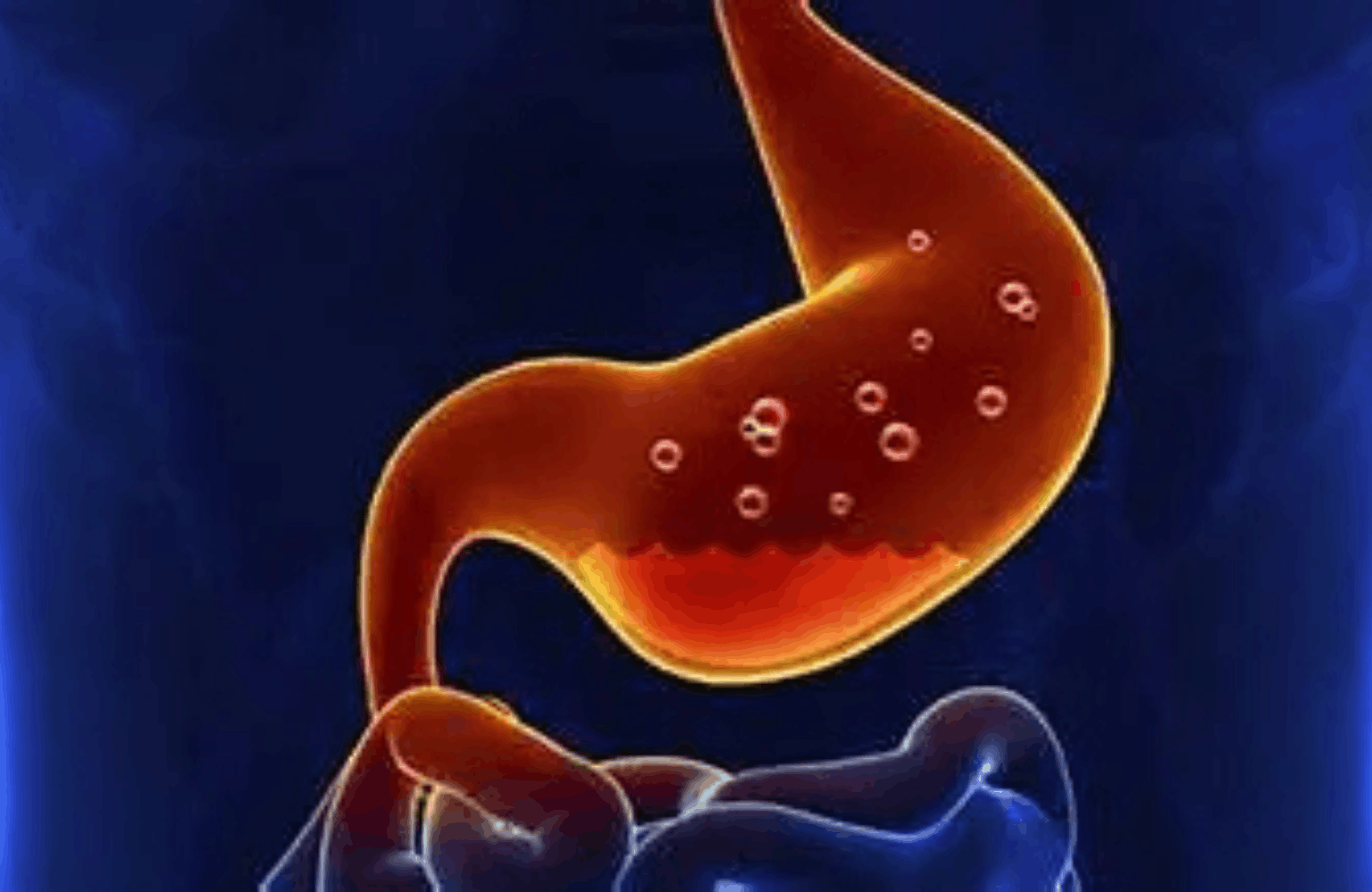
Peptic ulcer correlates with Ayurvedic conditions Parinama Shula and Annadrava Shula characterized by abdominal colic linked to digestion. It arises from aggravated Pitta and Vata doshas where intense digestive fire erodes the gastric lining. Causes include irregular eating stress and spicy or sour foods. Symptoms manifest as burning sensation vomiting and severe pain during digestion. Management focuses on pacifying Pitta through cooling therapies. While acute ulcers contraindicate Vamana therapeutic purgation or Virechana is prescribed to eliminate excess bile. Treatment uses soothing formulations like Shankha Bhasma and Narikela Lavana alongside a bland diet of milk and ghee to heal the mucosa.
Peptic ulcer disease refers to painful sores or ulcers in the lining of the stomach or the first part of the small intestine (duodenum). In Ayurveda, this condition correlates closely with Parinama Shula and Annadrava Shula. These conditions fall under the broader category of Shula (colic/pain) and are often associated with Amlapitta (hyperacidity). The disease is characterized by abdominal pain that fluctuates relative to the digestion of food, caused by the aggravation of the Pitta (fire) and Vata (air) doshas.
Modern Definition: A peptic ulcer is a lesion in the mucosal lining of the digestive tract, typically the stomach (gastric ulcer) or duodenum (duodenal ulcer), often caused by acid imbalance or infection.
Ayurvedic Definition:
The causes are multifactorial, involving diet, lifestyle, and psychological stress.
Chakradatta and Madhava Nidana classify Shula based on the dominant Dosha and specific presentation:
Treatment focuses on Vata-Pitta Shamana (pacifying Vata and Pitta) and healing the ulcerated mucosa.
World Health Organization (WHO)
Digestive diseases and peptic ulcer overview
https://www.who.int/health-topics/digestive-diseases
National Institute of Diabetes and Digestive and Kidney Diseases (NIDDK – NIH)
Peptic ulcer disease – causes, symptoms, and treatment
https://www.niddk.nih.gov/health-information/digestive-diseases/peptic-ulcer-disease
Centers for Disease Control and Prevention (CDC)
Helicobacter pylori and peptic ulcer disease
https://www.cdc.gov/hpylori/index.html
Mayo Clinic
Peptic ulcer: symptoms, causes, diagnosis, and management
https://www.mayoclinic.org/diseases-conditions/peptic-ulcer/symptoms-causes/syc-20354223
UpToDate (Patient Education)
Peptic ulcer disease – beyond the basics
https://www.uptodate.com/contents/peptic-ulcer-disease-beyond-the-basics
Amlapitta / Parinama Shoola (Ayurvedic correlation of Peptic Ulcer)
https://www.ncbi.nlm.nih.gov/pmc/articles/PMC5452224/
Q: Can I fast if I have a peptic ulcer?
A: Generally, no. While Ayurveda uses fasting (Langhana) for many digestive issues, in cases of high Pitta (acidity) or intense Vata pain (Shula), complete fasting can increase the "wind" and "fire" in the empty stomach, worsening the pain. Light, frequent, cooling meals are preferred.
Q: Is milk good for ulcers according to Ayurveda?
A: Yes. Ayurveda considers cow's milk to be cooling and curative for Pittaja Shula (pitta-type colic) and bleeding conditions. It helps heal the lining and reduce burning.
Q: What is the best Ayurvedic remedy for immediate pain relief?
A: Formulations containing Shankha Bhasma (conch shell ash) or Narikela Lavana (coconut salt) are classic emergency remedies for soothing severe acidity and colic pain.
Q: Does stress cause ulcers in Ayurveda?
A: Yes. Ayurveda explicitly lists Shoka (grief) and Krodha (anger) as factors that aggravate the Doshas, leading to digestive disorders and inflammation.
Written By
Sathyaprek
BDS
Reviewed By
Dr. Varun Gupta
MD Pharmacology, MBBS
Last updated on
Oct 22, 2026 • 06:23 PM (IST)
Read Our Editorial Policy
Want to know more?
Have issue with the content?
Report Problem
Explore more articles about this topic
Discover Ayurvedic treatments for peptic ulcers including Shatavari, Yashtimadhu, Amalaki, dietary guidelines, and stress management techniques for natural digestive healing and lasting gut health.
How to prevent peptic ulcer and stop it returning.
Causes and risk factors of peptic ulcer, including H. pylori and pain tablets.
How peptic ulcer is diagnosed with H. pylori tests and endoscopy.
How a peptic ulcer develops and heals.
H. pylori treatment, acid-reducing medicines and safety points.