
Get a quick dosha-based health
review and discover what your body
truly needs today.


Disease A to Z
Acidity known in Ayurveda as Amlapitta is a gastrointestinal disorder caused by the vitiation of Pitta dosha becoming excessively sour and liquid. It arises from incompatible foods excessive salt and eating before previous meals are digested leading to fermentation in the stomach. Symptoms include sour belching indigestion fatigue and a burning sensation in the throat and chest. Ayurveda classifies it into upward moving types characterized by vomiting and downward moving types involving diarrhea. Management focuses on correcting digestion through light diets like barley and green gram while avoiding heavy or spicy foods. Treatment often involves purification therapies like therapeutic vomiting or purgation to expel morbid Pitta along with cooling remedies like coconut preparations to neutralize the heat.
Disease A to Z
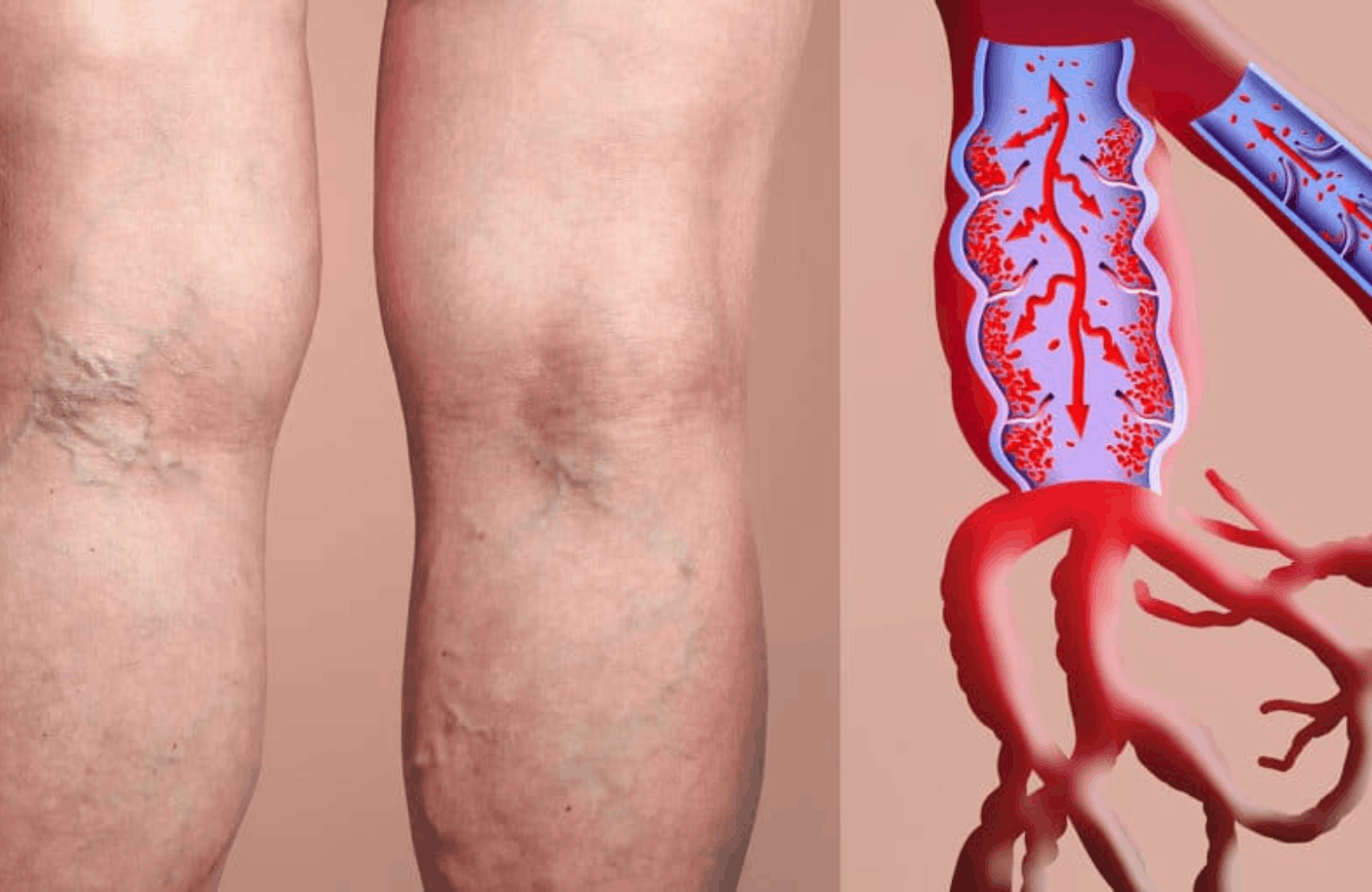
Deep Vein Thrombosis corresponds to Ayurvedic conditions like Siragata Vata and Urustambha characterized by venous obstruction. It arises when aggravated Vata dosha is blocked by vitiated Kapha and Medas within the veins leading to stagnation and clot formation called Granthi. Symptoms include severe pain swelling stiffness and heaviness in the legs. Management differs from standard Vata treatments as direct oleation is often contraindicated initially to prevent further blockage. Therapy focuses on dry treatments blood purification and Kapha pacification using herbs like Guggulu and Manjistha. Procedures like Patra Pinda Sweda and formulations like Sahacharadi Taila are employed to dissolve clots and restore circulation once the acute obstruction subsides.

Disease A to Z
How classical Ayurveda understands blurred distant vision (Timira, Drishti weakness), its causes, and traditional eye-nourishing care - plus why an eye test and glasses still matter.

Disease A to Z
Jaundice known as Kamala in Ayurveda is a disorder arising from the aggravation of Pitta dosha which vitiates the blood or Rakta dhatu. It often follows neglected anemia or results from the excessive intake of hot sour and salty foods that intensify internal heat burning the blood and flesh tissues. Key symptoms include deep yellow discoloration of the eyes skin and urine accompanied by indigestion and weakness. Advanced stages like Kumbhakamala involve edema and are difficult to treat. Management focuses on mild purgation or Virechana to expel excess bile. Classical remedies include Phalatrikadi Kvatha Punarnava Mandura and Arogyavardhini Vati. The diet requires cooling foods like grapes and old rice while strictly avoiding alcohol and spicy substances.
