
Reviewed by medical experts • For informational purposes only
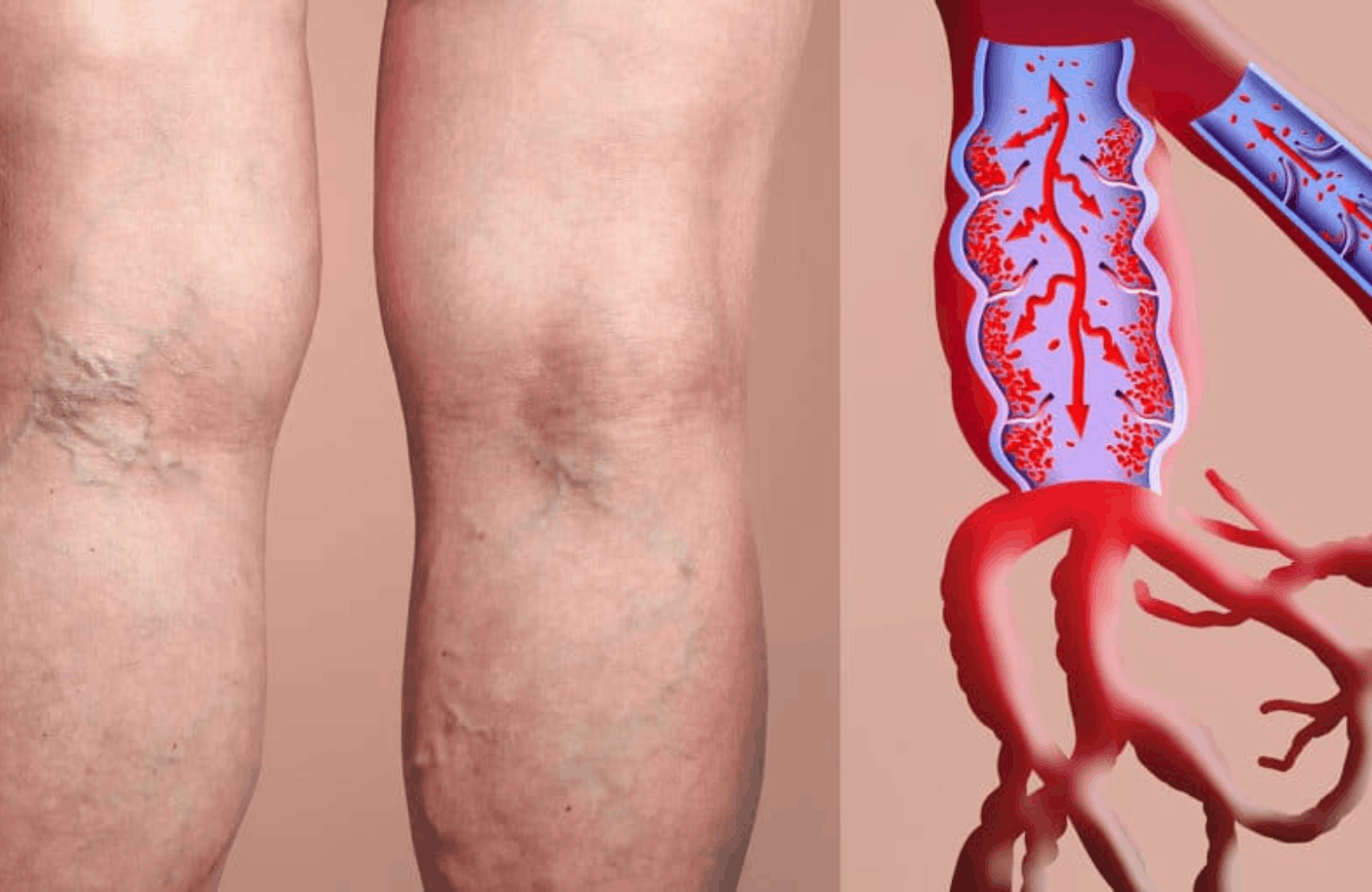
Deep Vein Thrombosis corresponds to Ayurvedic conditions like Siragata Vata and Urustambha characterized by venous obstruction. It arises when aggravated Vata dosha is blocked by vitiated Kapha and Medas within the veins leading to stagnation and clot formation called Granthi. Symptoms include severe pain swelling stiffness and heaviness in the legs. Management differs from standard Vata treatments as direct oleation is often contraindicated initially to prevent further blockage. Therapy focuses on dry treatments blood purification and Kapha pacification using herbs like Guggulu and Manjistha. Procedures like Patra Pinda Sweda and formulations like Sahacharadi Taila are employed to dissolve clots and restore circulation once the acute obstruction subsides.
Deep Vein Thrombosis (DVT) is a serious medical condition that occurs when a blood clot forms in a deep vein, usually in the lower leg, thigh, or pelvis. In Ayurveda, this condition is understood as a disorder of the Sira (vessels/veins) caused by the vitiation of Vata Dosha (Wind energy) and Rakta (Blood), often complicated by Kapha (Phlegm/Solidity) which creates the obstruction. It correlates with conditions described as Siragata Vata, Raktavata, and in severe cases manifesting as thigh stiffness, Urustambha.
Modern Definition: The formation of a thrombus (blood clot) within a deep vein, predominantly in the legs, which can obstruct blood flow and cause swelling and pain.
Ayurvedic Definition: A pathology where aggravated Vata enters the Sira (veins), causing pain, dilation, and obstruction. When Vata is covered or blocked by Rakta (blood) and Kapha (which provides the solid nature of a clot), it leads to Siragranthi (venous knot/clot) or Siragata Vata (Vata localized in veins), characterized by intense pain and disruption of circulation.
The formation of clots and vein vitiation is attributed to factors that aggravate Vata and Rakta, and increase Kapha (causing stagnation).
While DVT is a single entity in modern terms, Ayurveda classifies vascular disorders based on Dosha dominance:
Management involves Raktaprasadana (blood purification), Vata-Shamana (pacifying Vata), and Granthi-Vilayana (dissolving the clot).
World Health Organization (WHO) – Venous thromboembolism
https://www.who.int/news-room/fact-sheets/detail/thrombosis
Centers for Disease Control and Prevention (CDC) – Deep Vein Thrombosis
https://www.cdc.gov/ncbddd/dvt/index.html
Mayo Clinic – Deep Vein Thrombosis
https://www.mayoclinic.org/diseases-conditions/deep-vein-thrombosis
MedlinePlus (U.S. National Library of Medicine) – Deep Vein Thrombosis
https://medlineplus.gov/deepveinthrombosis.html
National Health Portal of India – गहरी शिरा घनास्त्रता (DVT)
https://www.nhp.gov.in/disease/cardiovascular/deep-vein-thrombosis
Ministry of Health & Family Welfare, Government of India – रक्त के थक्के से संबंधित रोग
https://www.mohfw.gov.in/
Q: Can Ayurveda treat blood clots in the legs?
A: Ayurveda manages conditions like Siragranthi (venous clots) using blood-purifying herbs and therapies like Raktamokshana (bloodletting) to improve circulation and dissolve obstructions.
Q: Is massage good for DVT?
A: Caution is advised. In conditions like Urustambha (deep blockage/stiffness), heavy oil massage is often contraindicated initially as it may increase Kapha and obstruction. However, herbal poultices (Upanaha) are recommended for varicose veins and tumors. Always consult a physician before massaging a swollen leg.
Q: What herbs are good for vein health?
A: Herbs like Guggulu, Manjistha, and Sahachara are renowned for improving circulation and vascular health. Kaishora Guggulu is a specific formulation for inflammatory conditions of the blood and joints.
Q: What causes DVT according to Ayurveda?
A: It is caused by the vitiation of Rakta (blood) and Vata due to factors like eating incompatible foods (Viruddha Ahara), day sleep, lack of exercise, and trauma, leading to obstruction in the veins.
Q: What is the difference between Vatarakta and DVT?
A: Vatarakta often refers to Gout (joint inflammation), but its pathology (obstruction of Vata by Blood) covers vascular disorders like DVT. Siragata Vata (Vata in veins) is the more specific term for pain and obstruction in the veins.
Written By
Sathyaprek
BDS
Reviewed By
Dr. Varun Gupta
MD Pharmacology, MBBS
Last updated on
Oct 22, 2026 • 06:23 PM (IST)
Read Our Editorial Policy
Want to know more?
Have issue with the content?
Report Problem
Explore more articles about this topic
DVT moves through three phases: acute days when blood thinners start immediately and massage is forbidden, subacute weeks of stockings and steady recovery, and the chronic months of treatment review. Each phase, its rules - and the phase nobody should reach.
DVT's complications: pulmonary embolism - the 112 emergency; post-thrombotic syndrome - the chronic leg burden softened by stockings; recurrence - know your signs; and bleeding on blood thinners - know the warnings. Why fast diagnosis matters.
The classics knew obstructed, painful veins - Siraja Granthi and Siradhmana - but the honest modern reading is blood thinners first, Ayurvedic support after: walking, elevation, light food, calm. One hard rule above all: never massage a clot-risk leg.
One-sided leg swelling, calf pain, warmth and redness are the warning - worth a same-day ultrasound, not a wait-and-see. Sudden breathlessness, chest pain on deep breathing, fainting or blood in sputum are the emergency - 112. The full symptom picture.
No food dissolves a clot - but hydration, a heart-healthy plate and weight management support recovery, and warfarin users need the famous vitamin-K rule: keep greens consistent, not banned. Plus the supplement interactions to never add silently.
DVT treatment is a mapped path: same-day ultrasound, immediate blood thinners for the full prescribed course, walking and stockings for the leg, hospital procedures for the severe - and a lifelong habit of mentioning the clot before every surgery or long flight.
