
Reviewed by medical experts • For informational purposes only
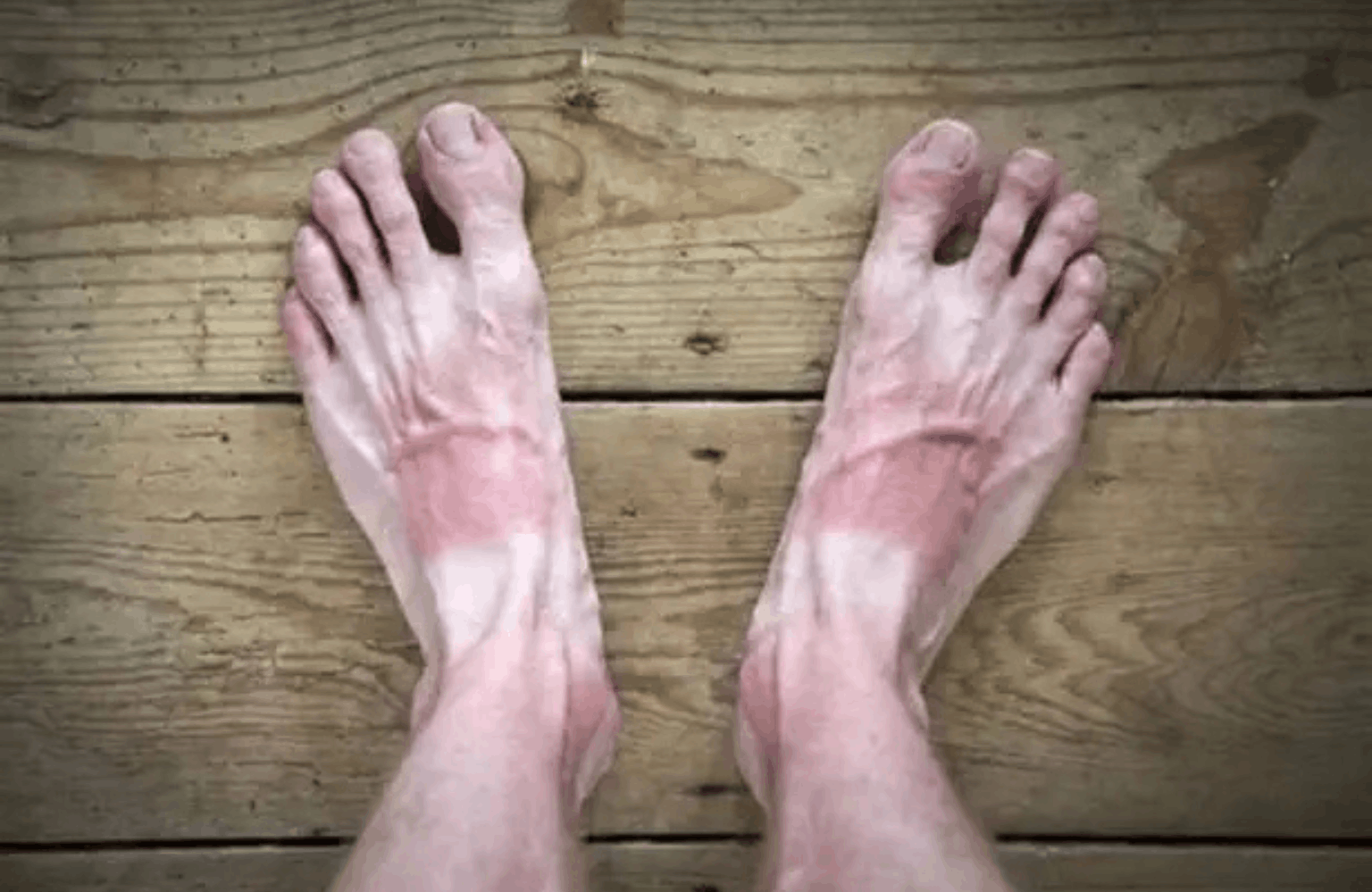
Gout corresponds to the Ayurvedic condition Vatarakta characterized by the obstruction of aggravated Vata dosha by vitiated Rakta or blood. It typically affects wealthy or sedentary individuals consuming excessive salty sour and pungent foods. The disease manifests in the joints particularly the feet and hands causing severe pricking pain redness burning sensation and swelling. Pathology involves the blockage of Vata movement by impure blood leading to inflammation. Management focuses on blood purification and Vata pacification through therapies like Raktamokshana or bloodletting and Basti. Key medicinal treatments include Guduchi which is considered the specific remedy along with formulations like Kaishora Guggulu Amritadi Guggulu and external application of Pinda Taila to alleviate pain and burning.
Gout is a form of inflammatory arthritis characterized by recurrent attacks of a red, tender, hot, and swollen joint. In Ayurveda, this condition is known as Vatarakta. It is a unique pathology where the Vata Dosha (wind humor) is obstructed by vitiated Rakta (blood), leading to severe pain and burning sensations in the joints. It is also historically referred to as (disease of the wealthy) or .
Modern Definition: A metabolic disorder caused by the accumulation of uric acid crystals in the joints, causing inflammation and intense pain, often starting in the big toe.
Ayurvedic Definition: Vatarakta is a disease caused by the vitiation of Rakta (blood) and Vata dosha. Due to the subtle and pervasive nature of Vata and the liquid, flowing nature of blood, they spread through the body and get lodged in the joints—particularly the hands and feet—causing pain, stiffness, and copper-colored swelling.
Ayurvedic texts like Madhava Nidana and Chakradatta attribute Vatarakta to specific dietary and lifestyle errors that simultaneously aggravate Vata and blood.
Madhava Nidana classifies Vatarakta based on the depth of the disease and the dominant Dosha.
A. Based on Location:
B. Based on Dosha Dominance:
Management focuses on Raktaprasadana (soothing the blood) and Vatashamana (pacifying Vata) without aggravating the other.
World Health Organization (WHO) – Musculoskeletal conditions
https://www.who.int/teams/noncommunicable-diseases/musculoskeletal-health
Centers for Disease Control and Prevention (CDC) – Gout
https://www.cdc.gov/arthritis/basics/gout.html
National Institute of Arthritis and Musculoskeletal and Skin Diseases (NIAMS – NIH) – Gout
https://www.niams.nih.gov/health-topics/gout
Mayo Clinic – Gout
https://www.mayoclinic.org/diseases-conditions/gout
StatPearls (NCBI Bookshelf) – Gout
https://www.ncbi.nlm.nih.gov/books/NBK546606/
National Health Portal of India – गाउट / वातरक्त (Gout)
https://www.nhp.gov.in/disease/musculoskeletal/gout
Ministry of Health & Family Welfare, Government of India – गठिया एवं जोड़ों के रोग
https://www.mohfw.gov.in/
Q: Can Ayurveda cure Gout?
A: According to Ayurvedic texts, Vatarakta (Gout) is curable (Sadhya) if treated in the early stages and involves only one Dosha. Chronic cases are generally considered manageable (Yapya).
Q: What is the best Ayurvedic herb for high uric acid/Gout?
A: Guduchi (Giloy/Tinospora cordifolia) is widely cited in texts like Chakradatta as the specific remedy for Vatarakta, capable of treating even severe cases.
Q: What foods should be avoided in Gout according to Ayurveda?
A: One should avoid sour (Amla), salty (Lavana), and pungent foods. Specifically, yogurt (Dadhi), alcohol (Madya), radish (Mulaka), and black gram (Masha) are contraindicated.
Q: Is massage good for Gout?
A: Yes, but it depends on the stage. Application of specific medicated oils like Pinda Taila or Guduchi Taila is recommended to relieve pain and burning. However, deep massage on an acutely inflamed joint is generally avoided; gentle application is preferred.
Q: What is the difference between Rheumatism and Gout in Ayurveda?
A: Rheumatism is correlated with Amavata, caused by Ama (toxins) and Vata, often starting with indigestion and body aches. Gout is Vatarakta, caused by Rakta (blood) and Vata, characterized by intense burning, redness, and starting in the extremities.
Written By
Sathyaprek
BDS
Reviewed By
Dr. Varun Gupta
MD Pharmacology, MBBS
Last updated on
Oct 22, 2026 • 06:23 PM (IST)
Read Our Editorial Policy
Want to know more?
Have issue with the content?
Report Problem
Explore more articles about this topic
Prevent gout flares with weight control, less alcohol and sugary drinks, hydration and regular uric acid medicine.
Ayurveda links gout-like symptoms to Vatarakta. An interpretive view with limited evidence and cautions on herbs.
Gout can cause tophi, joint damage, kidney stones and kidney disease if poorly controlled. Treatment lowers the risk.
Gout medicines include NSAIDs, colchicine and steroids for flares, and allopurinol or febuxostat for long-term control.
Gentle low-impact exercise suits gout between flares. Rest the joint during a flare and avoid dehydration.
Gout is controllable: treat the flare, lower uric acid long term, change lifestyle and follow up to protect joints.