
Reviewed by medical experts • For informational purposes only
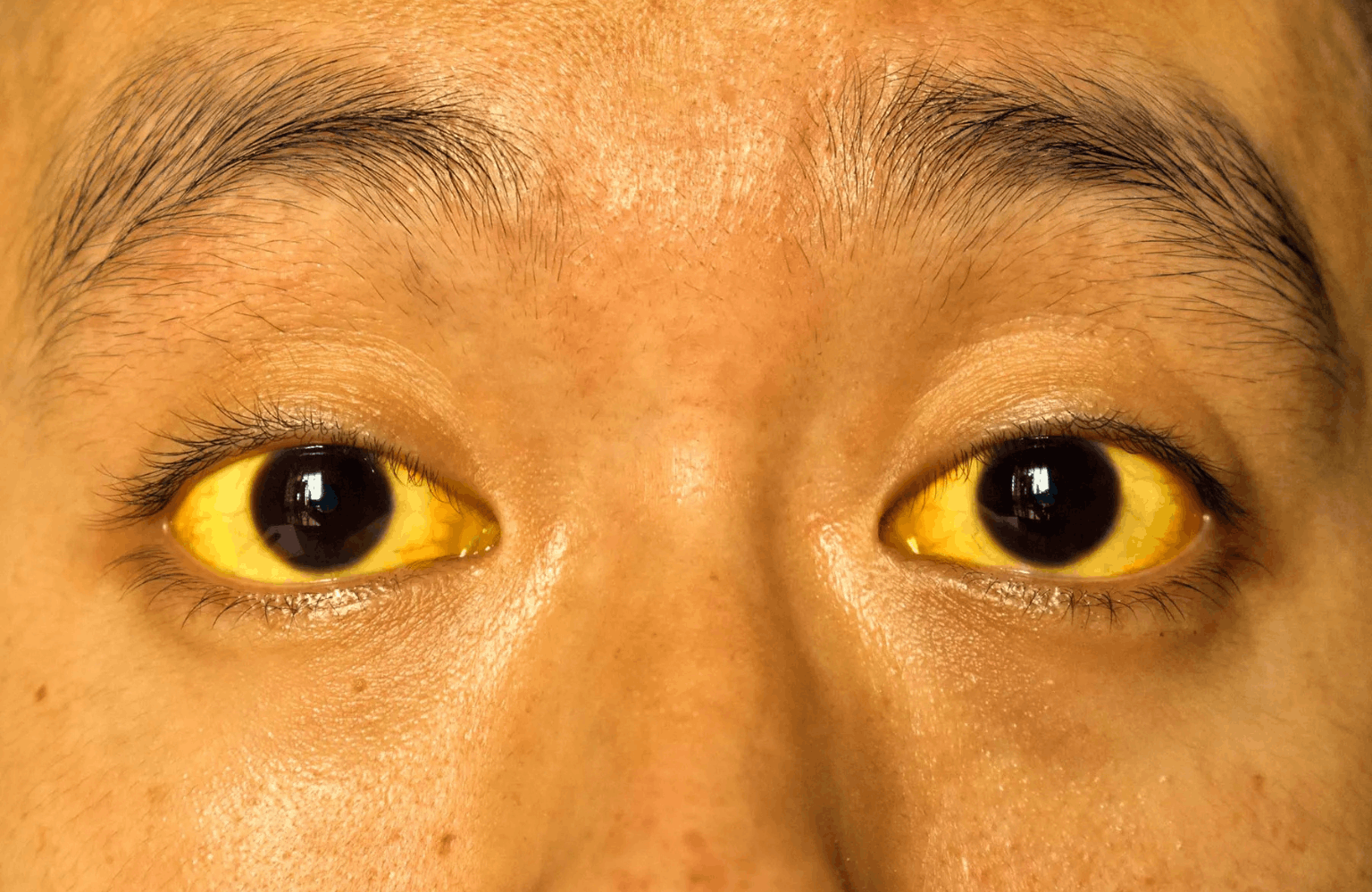
Jaundice known as Kamala in Ayurveda is a disorder arising from the aggravation of Pitta dosha which vitiates the blood or Rakta dhatu. It often follows neglected anemia or results from the excessive intake of hot sour and salty foods that intensify internal heat burning the blood and flesh tissues. Key symptoms include deep yellow discoloration of the eyes skin and urine accompanied by indigestion and weakness. Advanced stages like Kumbhakamala involve edema and are difficult to treat. Management focuses on mild purgation or Virechana to expel excess bile. Classical remedies include Phalatrikadi Kvatha Punarnava Mandura and Arogyavardhini Vati. The diet requires cooling foods like grapes and old rice while strictly avoiding alcohol and spicy substances.
Jaundice, known in Ayurveda as Kamala, is a disease characterized by the yellow discoloration of the eyes, skin, nails, and urine. It is primarily a disorder of the Pitta Dosha (Fire element) and Rakta Dhatu (Blood tissue). In Ayurvedic pathology, it is often described as a sequel to neglected Pandu Roga (Anemia) or an independent condition caused by excessive intake of heat-producing foods, leading to the "burning" of blood and flesh tissues by vitiated bile.
According to Madhava Nidana and Charaka Samhita, Kamala often manifests in a patient already suffering from Pandu (anemia) who indulges in specific Pitta-aggravating factors.
Ayurvedic texts classify Jaundice based on severity and location:
The primary principle of treating Kamala is Mridu Virechana (Mild Purgation) to expel the hot Pitta, followed by Pitta-pacifying diet and medicines. Snehana (Oleation) is generally not done with heavy fats but with medicated ghees that do not aggravate Pitta.
World Health Organization (WHO) – Hepatitis and liver diseases
https://www.who.int/teams/global-hiv-hepatitis-and-stis-programmes/hepatitis
Centers for Disease Control and Prevention (CDC) – Jaundice and liver health
https://www.cdc.gov/hepatitis/index.htm
National Institute of Diabetes and Digestive and Kidney Diseases (NIDDK – NIH) – Jaundice
https://www.niddk.nih.gov/health-information/liver-disease/jaundice
Mayo Clinic – Jaundice
https://www.mayoclinic.org/symptoms/jaundice/basics/definition/sym-20050645
StatPearls (NCBI Bookshelf) – Jaundice
https://www.ncbi.nlm.nih.gov/books/NBK544252/
National Health Portal of India – पीलिया (Jaundice)
https://www.nhp.gov.in/disease/digestive-system/jaundice
Ministry of Health & Family Welfare, Government of India – यकृत रोग
https://www.mohfw.gov.in/
Q: Is Ghee good for Jaundice?
A: Plain ghee can be heavy, but Medicated Ghee (like Kalyanaka Ghrita or Dadimadi Ghrita) is highly recommended in Ayurveda for Kamala. It helps pacify Pitta without aggravating the condition, provided digestion allows.
Q: Can I undergo Panchakarma for Jaundice?
A: Yes, Virechana (therapeutic purgation) is the specific treatment for Jaundice (Kamala) to eliminate excess Pitta. However, it must be mild (Mridu) and performed under expert supervision.
Q: What herbs are best for Jaundice?
A: Herbs like Guduchi (Giloy), Katuki, Nimba (Neem), Triphala, and Draksha (Raisins) are best. Formulations like Phalatrikadi Kvatha are classical remedies.
Q: What is "Kumbhakamala"?
A: Kumbhakamala is an advanced, neglected stage of jaundice where the abdomen becomes bloated like a pot (Kumbha) due to edema (Shopha) or fluid accumulation. It is considered difficult to treat.
Q: Is anemia related to jaundice in Ayurveda?
A: Yes. Ayurveda considers Kamala (Jaundice) to often be a complication or advanced stage of Pandu (Anemia), caused by eating Pitta-aggravating foods while suffering from anemia.
Written By
Sathyaprek
BDS
Reviewed By
Dr. Varun Gupta
MD Pharmacology, MBBS
Last updated on
Oct 22, 2026 • 06:23 PM (IST)
Read Our Editorial Policy
Want to know more?
Have issue with the content?
Report Problem
Explore more articles about this topic
How jaundice is diagnosed: history, bilirubin and liver tests, hepatitis tests, ultrasound and newborn bilirubin checks.
Causes of jaundice: red cell breakdown, hepatitis, alcohol, medicines, gallstones, bile duct blockage and newborn jaundice.
Jaundice symptoms: yellow eyes and skin, dark urine, pale stools, itching, and emergency signs in adults and babies.
Jaundice diet: light clean home-cooked food, safe fluids, no alcohol, and myths about juices and supplements.
What is jaundice: yellow skin and eyes from bilirubin, why it happens, who gets it and why it needs a doctor.
Stages of jaundice: early signs, yellow phase and recovery, with complications that need hospital care.