
Reviewed by medical experts • For informational purposes only
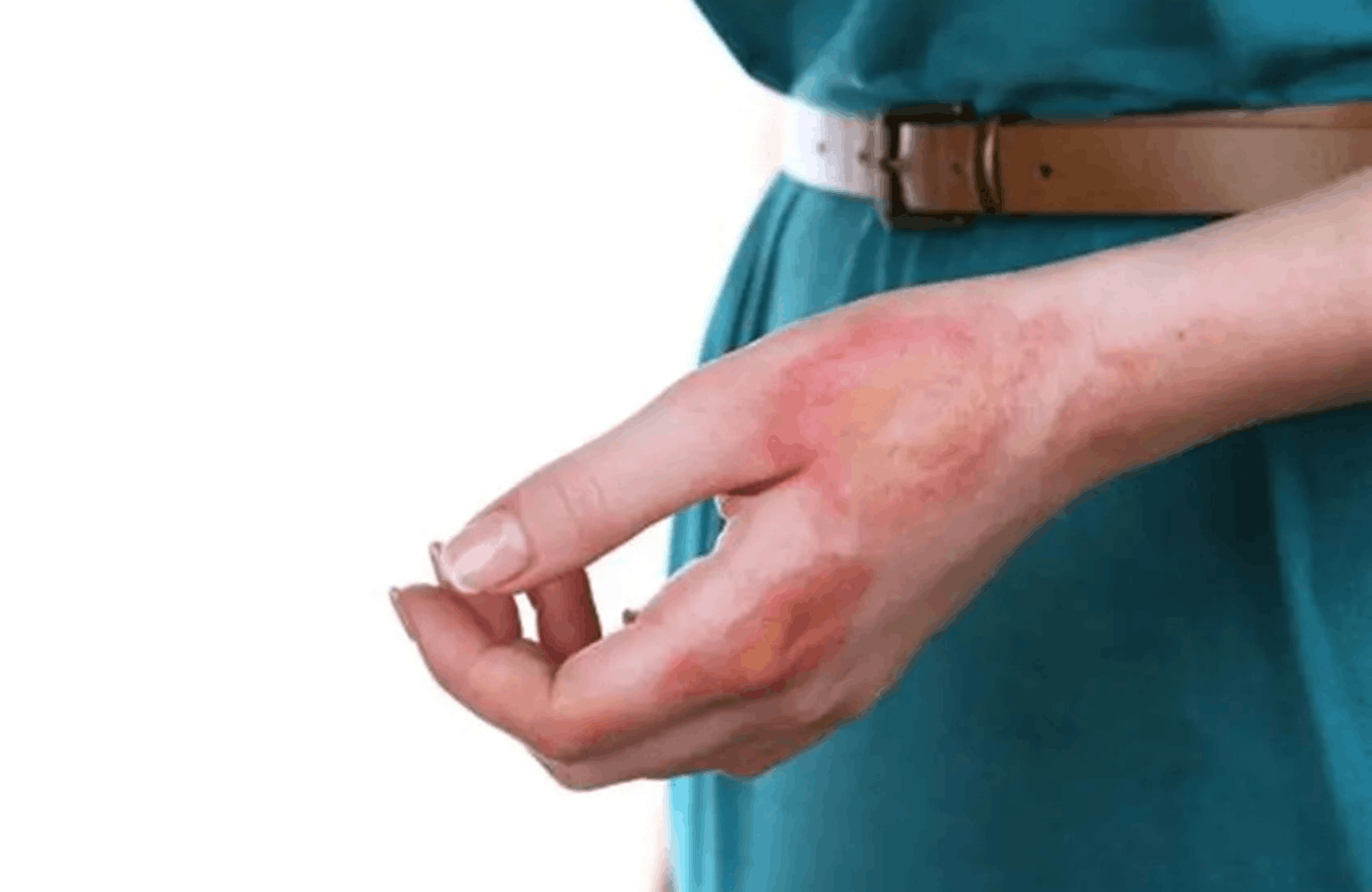
Burns termed Agnidagdha in Ayurveda are exogenous injuries caused by fire heat or chemicals like alkalis known as Ksharadagdha. This condition primarily involves the rapid vitiation of Pitta dosha and Rakta dhatu leading to intense burning sensation or Daha redness and tissue destruction. Ayurvedic management prioritizes cooling therapies to pacify the aggravated heat and prevent suppuration. Immediate treatment often involves the external application of a mixture of Madhu or honey and Sarpi or ghee to soothe pain and promote healing. Specialized formulations like Brahmi Ghrita are explicitly indicated for treating accidental burns. The regimen includes Pitta pacifying diet and avoiding sour or pungent foods while severe cases may require specific wound care using medicated oils and pastes.
Burns are injuries to the skin or other organic tissue primarily caused by heat or radiation, radioactivity, electricity, friction, or contact with chemicals. In Ayurveda, this condition is known as Agnidagdha (burnt by fire) or Dagdha Vrana (burn wound). It is classified as an exogenous injury (Agantuja) that fundamentally involves the vitiation of the Pitta Dosha (Fire element) and Rakta (Blood), leading to intense burning sensation (Daha) and tissue destruction.
Modern Definition: Tissue damage that results from scalding, overexposure to the sun or other radiation, contact with fire, chemicals, or electricity, or smoke inhalation.
Ayurvedic Definition: Agnidagdha refers to a condition where the body parts are burnt by fire (Agni), chemicals (Kshara), or hot substances, resulting in a wound known as Dagdha Vrana. It is characterized by the immediate aggravation of Pitta, causing burning pain, redness, and suppuration (formation of pus).
The causes are primarily external (Agantuja), originating outside the body.
The symptoms align with the characteristics of Pitta aggravation:
While specific degrees (1st, 2nd, 3rd) are described in surgical texts (Sushruta), the provided sources classify burns based on the cause or the resulting wound type:
Management focuses on Pitta Shamana (pacifying heat) and Ropana (healing).
Q: Is Ghee good for burns according to Ayurveda?
A: Yes. Ghrita (Ghee) is highly recommended. It is cooling, pacifies Pitta and Vata, and promotes wound healing (Ropana). Mixing it with honey is a specific remedy for steam burns.
Q: Can Aloe Vera be used on burns?
A: Yes. Ghritakumari (Aloe Vera) is explicitly mentioned as a treatment for burns caused by steam or heat. It has cooling properties that reduce the burning sensation.
Q: What is Jatyadi Ghrita?
A: Jatyadi Ghrita is a famous Ayurvedic herbal ghee used externally. It is specifically indicated for healing Dagdha Vrana (burn wounds), deep ulcers, and non-healing wounds.
Q: What foods should I avoid if I have a severe burn?
A: You should avoid Sour (Amla), Salty (Lavana), and Pungent (Katu) foods (like chili and vinegar). These tastes increase Pitta (heat) and can cause suppuration (pus formation) and increased burning in the wound.
Written By
Sathyaprek
BDS
Reviewed By
Dr. Varun Gupta
MD Pharmacology, MBBS
Last updated on
Oct 22, 2026 • 06:23 PM (IST)
Read Our Editorial Policy
Want to know more?
Have issue with the content?
Report Problem
Explore more articles about this topic
What causes burns? Kitchen scalds, flame, hot surfaces, chemicals, electricity - who is at risk and why.
Burn complications: infection, contractures, scars, emotional recovery - and how each is prevented.
Diet for burn healing: protein, vitamin C, zinc and fluids for skin repair - plus the classical vrana pathya.
Burn medicines and dressings: pain relief, burn dressings, hospital care, classical oils - and what to avoid.
How to prevent burns: kitchen, geyser, child and Diwali cracker safety - the Indian household checklist.
How burns heal: inflammation, repair, scar maturation - the normal course and the problems to watch for.