
Reviewed by medical experts • For informational purposes only
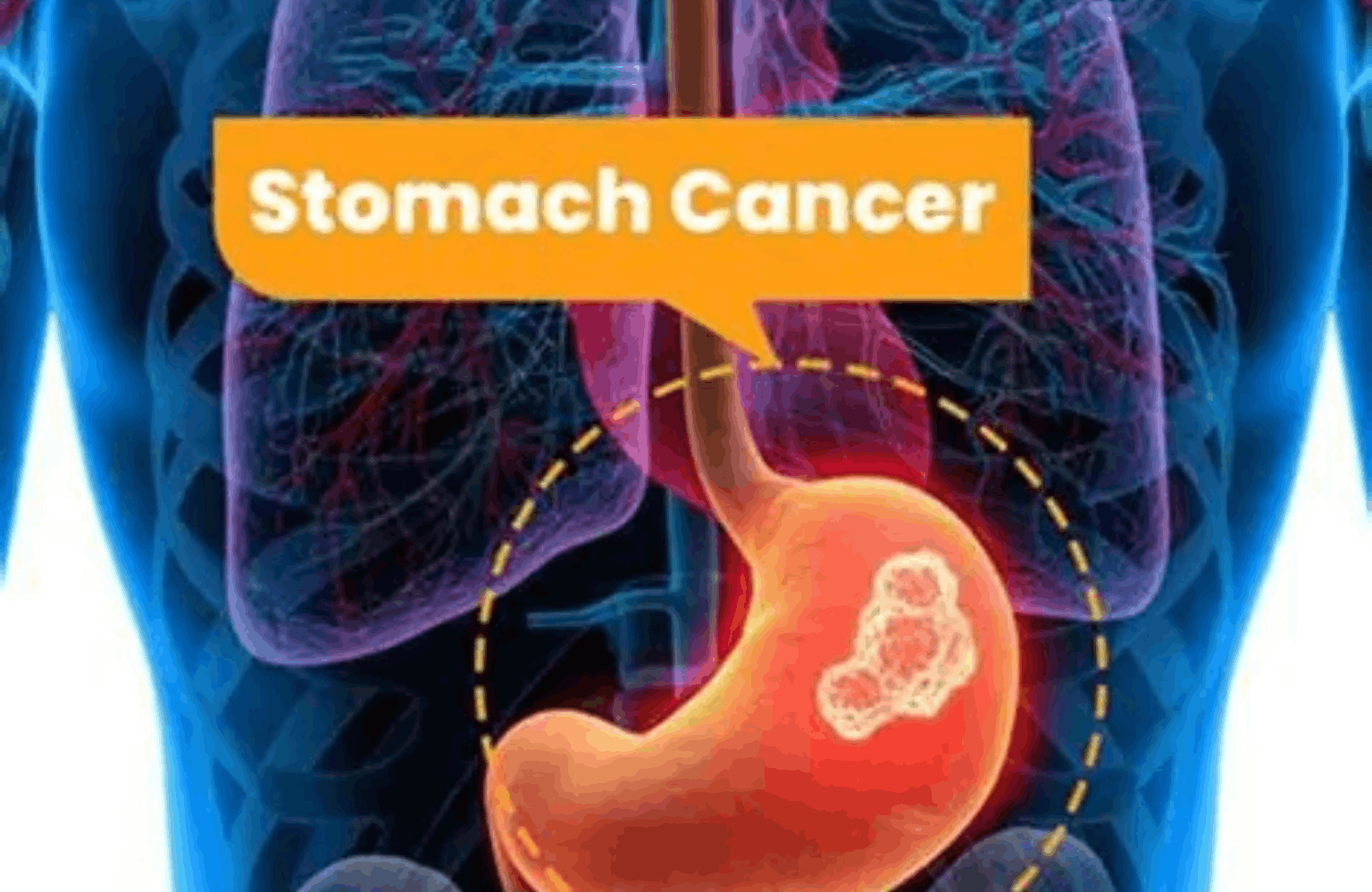
Stomach cancer correlates with the Ayurvedic concepts of Amashayagata Arbuda and Gulma representing a deep seated gastric tumor or abdominal lump. It originates from the vitiation of Kapha and Vata doshas damaging muscle and blood tissues often triggered by incompatible foods and chronic indigestion. Key symptoms include severe abdominal pain or Shula loss of appetite and extreme emaciation known as Karshya. Management focuses on restoring digestive fire and scraping the tumorous mass. The Ayurvedic Formulary of India highlights potent formulations containing Semecarpus anacardium like Bhallataka and Kanchanara Guggulu for reducing growths. Therapeutic procedures such as Virechana or purgation and the use of alkalis known as Kshara are employed to manage obstruction and prevent further tissue degeneration though advanced stages are considered difficult to treat.
Stomach cancer, also known as gastric cancer, is a disease in which malignant (cancerous) cells form in the lining of the stomach. In Ayurveda, this condition is not described as a single entity but falls under the categories of Arbuda (Tumor/Swelling), Granthi (Nodular growth), and Gulma (Abdominal lump). Specifically, when these growths occur in the Amashaya (stomach/epigastric region) and exhibit malignant characteristics like deep-rootedness and rapid growth, they correlate with modern gastric carcinoma.
Ayurveda attributes the formation of abdominal tumors to dietary and lifestyle errors that corrupt the blood and muscle tissue.
While stomach cancer is a singular diagnosis in modern terms, Ayurveda classifies abdominal growths based on the dominant Dosha or tissue involvement:
Management focuses on Agni Deepana (improving digestion), Lekhana (scraping/reducing the mass), and Rasayana (rejuvenation) to support immunity.
Mayo Clinic – Stomach Cancer (Gastric Cancer)
https://www.mayoclinic.org/diseases-conditions/stomach-cancer/symptoms-causes/syc-20352438
Cleveland Clinic – Stomach Cancer
https://my.clevelandclinic.org/health/diseases/15232-stomach-cancer
National Cancer Institute (NCI) – Gastric Cancer
https://www.cancer.gov/types/stomach
Johns Hopkins Medicine – Gastric Cancer
https://www.hopkinsmedicine.org/health/conditions-and-diseases/stomach-cancer
World Health Organization (WHO) – Cancer Fact Sheets
https://www.who.int/news-room/fact-sheets/detail/cancer
MedlinePlus – Stomach Cancer
https://medlineplus.gov/stomachcancer.html
The Lancet Oncology
https://www.thelancet.com/journals/lanonc
Journal of Clinical Oncology (ASCO)
https://ascopubs.org/journal/jco
Q: Can Ayurveda cure stomach cancer?
A: Ayurveda describes conditions like Arbuda (tumors) which can be difficult to cure (Krichrasadhya) or incurable (Asadhya) depending on the stage. While it offers supportive care, management of symptoms, and quality of life improvement through Rasayana (rejuvenation), advanced tumors are often considered critical conditions.
Q: What herbs are good for abdominal tumors in Ayurveda?
A: Herbs like Kanchanara, Rohitaka, Guggulu, and Bhallataka are traditionally used to treat growths (Granthi/Arbuda) and reduce inflammation.
Q: Is diet important in preventing stomach growths?
A: Yes. Ayurveda strongly emphasizes avoiding Viruddha Ahara (incompatible foods like fish and milk) and Vidahi (burning/acidic) foods, as these are primary causes of blood and muscle tissue vitiation leading to growths.
Q: What is the Ayurvedic view on surgery for tumors?
A: Ancient Ayurvedic texts like Sushruta Samhita recommend surgical excision for certain types of Arbuda (tumors) followed by cauterization (Agni karma) or alkali application (Kshara karma) to prevent recurrence.
Written By
Sathyaprek
BDS
Reviewed By
Dr. Varun Gupta
MD Pharmacology, MBBS
Last updated on
Oct 22, 2026 • 06:23 PM (IST)
Read Our Editorial Policy
Want to know more?
Have issue with the content?
Report Problem
Explore more articles about this topic
Stomach cancer stages from early to advanced, in plain language.
Endoscopy, biopsy and scans that diagnose and stage stomach cancer.
Causes and risk factors of stomach cancer, including H. pylori.
Stomach cancer symptoms and the warning signs needing endoscopy.
Eating well before, during and after stomach cancer treatment.
Adenocarcinoma, GIST, lymphoma and other stomach cancer types.