
Reviewed by medical experts • For informational purposes only
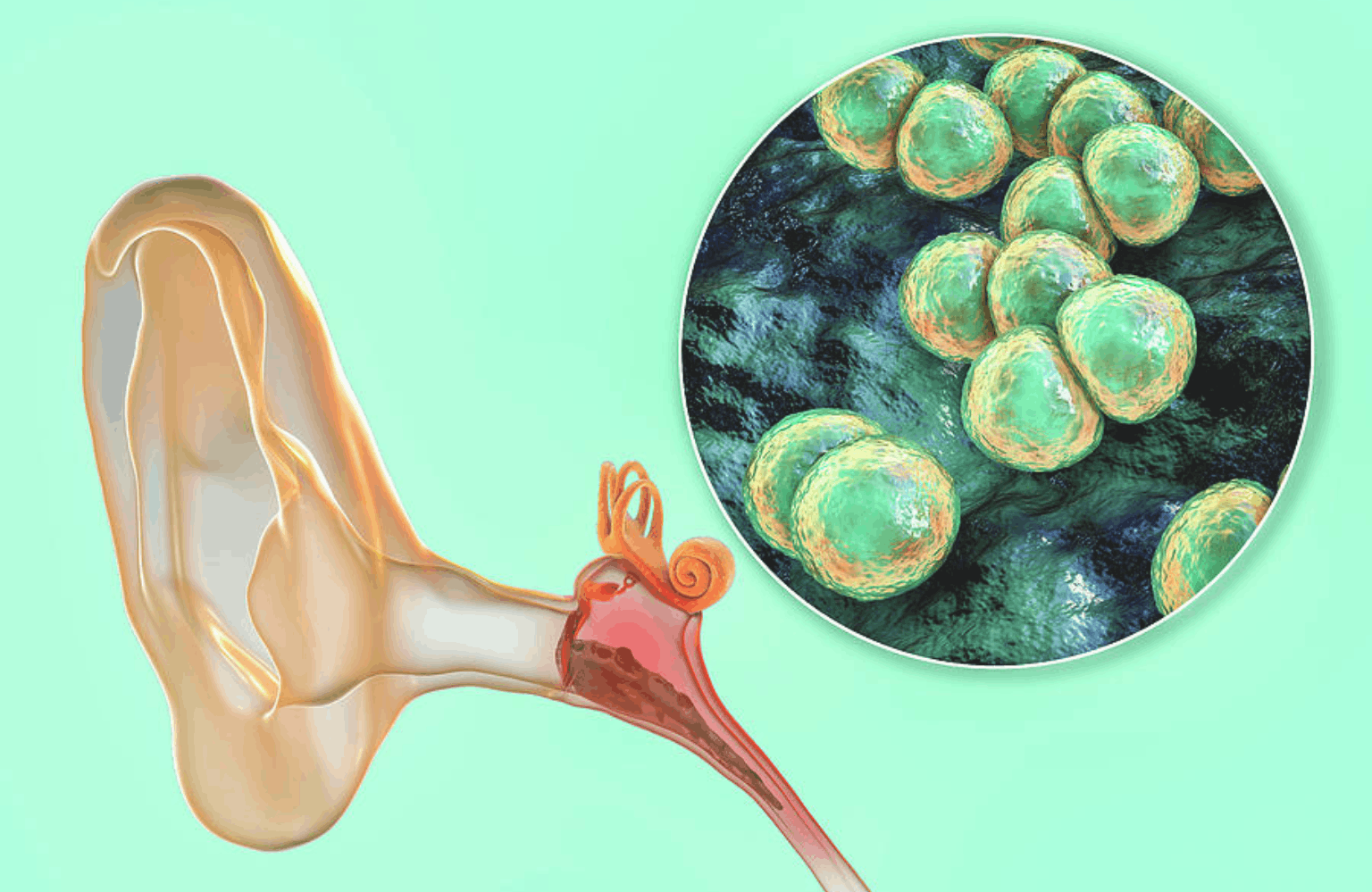
Otitis media correlates with the Ayurvedic conditions Karnashula characterized by intense ear pain and Karnasrava involving discharge. It arises when vitiated Vata dosha moves improperly through the auditory channels often complicated by Pitta and Kapha which lead to inflammation and suppuration. Common causes include exposure to cold wind water entering the ear and complications from respiratory infections. Management focuses on pacifying Vata and cleansing the cranial pathways. Key therapies include Karnapurana where warm medicated oils like Deepika Taila or Kshara Taila are retained in the ear to alleviate pain. Nasya or nasal administration of herbal oils is also prescribed to clear the eustachian tubes while internal decoctions like Dashamula are used to reduce inflammation.
Otitis Media is a group of inflammatory diseases of the middle ear. In Ayurveda, the symptoms associated with this condition—specifically ear pain, inflammation, and discharge—are described under the umbrella of Karnaroga (Diseases of the Ear). The acute phase characterized by intense pain is termed Karnashula, while the chronic or suppurative phase involving discharge is termed Karnasrava or Putikarna. These conditions are primarily attributed to the vitiation of the Vata dosha, often complicated by Pitta and Kapha.
Modern Definition: Otitis media is an infection or inflammation of the middle ear (the space behind the eardrum). It can be acute (painful) or chronic (associated with discharge). Ayurvedic Definition:
The causes are generally those that aggravate Vata and Kapha, leading to channel obstruction.
Madhava Nidana and Chakradatta discuss ear diseases under the general heading of Karnaroga, often classifying them by symptoms rather than distinct "types" of otitis:
The management involves Vata-Shamana (pacifying Vata) and Shodhana (cleansing) of the head region.
World Health Organization (WHO)
Otitis media – global burden, prevention, and complications
https://www.who.int/publications/i/item/WHO-FWC-MCA-15.02
Centers for Disease Control and Prevention (CDC)
Middle ear infection (Otitis Media) – causes and treatment
https://www.cdc.gov/antibiotic-use/ear-infection.html
National Institute on Deafness and Other Communication Disorders (NIDCD – NIH)
Otitis media and ear infections
https://www.nidcd.nih.gov/health/ear-infections
Mayo Clinic
Otitis media: symptoms, causes, diagnosis, and treatment
https://www.mayoclinic.org/diseases-conditions/ear-infections/symptoms-causes/syc-20351614
StatPearls – NCBI Bookshelf
Otitis Media (peer-reviewed clinical summary)
https://www.ncbi.nlm.nih.gov/books/NBK470332/
Karnashoola / Karnasrava (Ayurvedic correlation of Otitis Media)
https://www.ncbi.nlm.nih.gov/pmc/articles/PMC5452224/
Q: Can I put oil in my ear for pain?
A: Ayurveda recommends Karnapuran (filling the ear with warm oil) for Karnashula (earache) caused by Vata. However, if there is discharge (Srava) or a tear in the eardrum, oil should generally be avoided until the infection is dried.
Q: What is the best Ayurvedic oil for ear problems?
A: Deepika Taila and Kshara Taila are classical preparations mentioned in Chakradatta specifically for treating ear pain and ear diseases.
Q: Why does Ayurveda treat the nose for ear problems?
A: Ayurveda considers the nose (Nasa) the gateway to the head (Shiras). Therapies like Nasya (nasal drops) treat the Doshas in the entire head region, helping to clear the channels connected to the ear (similar to the Eustachian tube connection).
Q: What causes ear discharge in Ayurveda?
A: Ear discharge (Karnasrava) is caused when the Vata dosha is complicated by Kapha and Pitta, leading to the melting and rotting (Puti) of tissues inside the ear.
Written By
Sathyaprek
BDS
Reviewed By
Dr. Varun Gupta
MD Pharmacology, MBBS
Last updated on
Oct 23, 2026 • 06:23 PM (IST)
Read Our Editorial Policy
Want to know more?
Have issue with the content?
Report Problem
Explore more articles about this topic
Safe home care for ear infection: pain relief, warm compress and what not to put in the ear.
How to lower the risk of ear infections with vaccines, breastfeeding and smoke-free homes.
What otitis media (middle ear infection) is, who gets it, main forms and when to see a doctor.
Causes and risk factors of otitis media: colds, blocked tubes, adenoids and smoke exposure.
Types of otitis media: acute, with effusion, recurrent and chronic suppurative.
Typical course of an ear infection from blocked tube to recovery, and when it turns chronic.
