
Reviewed by medical experts • For informational purposes only
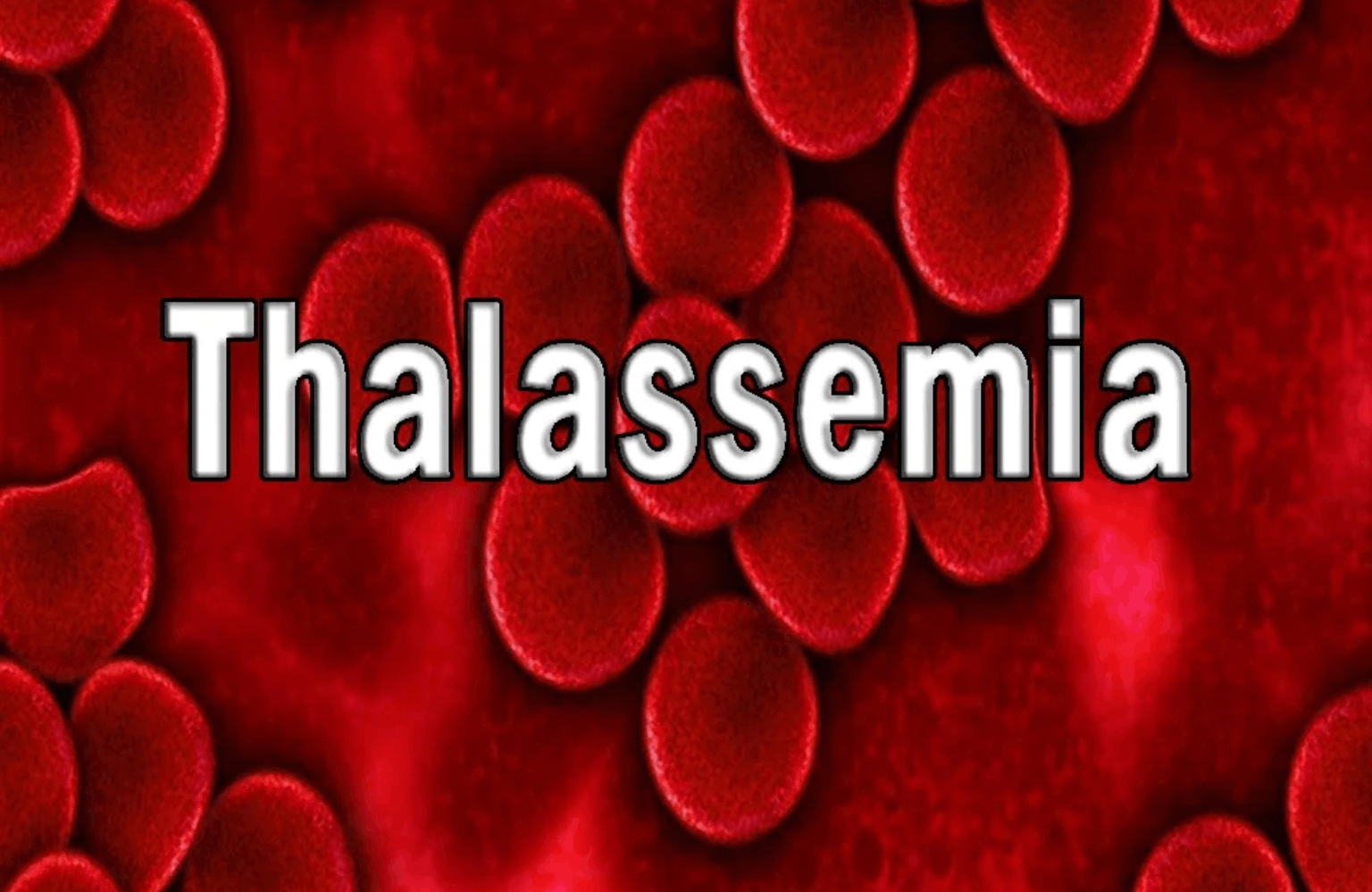
Thalassemia correlates with the Ayurvedic concept of Sahaja or Kulaja Pandu representing a hereditary anemia caused by Beejadosha or genetic defects in the reproductive elements. It involves the vitiation of Tridosha particularly Pitta and Vata which affect the Rakta dhatu and deplete Ojas,. Clinical features include intense pallor known as Panduta fatigue and Plihodara or enlargement of the spleen,. Ancient texts like Madhava Nidana classify congenital disorders as difficult to treat. Ayurvedic management focuses on palliative care using blood purifying herbs and Rasayanas to boost immunity. Formulations containing Mandura and Lauha along with herbs like Rohitaka are prescribed in texts like Chakradatta to manage anemia and associated splenic disorders,.
Thalassemia is an inherited blood disorder characterized by less oxygen-carrying protein (hemoglobin) and fewer red blood cells in the body than normal. In Ayurveda, this condition is understood through the lens of Pandu Roga (Anemia) and Plihodara (Enlargement of the Spleen). Specifically, because it is an inherited condition, it falls under the category of Kulaja Roga (Familial/Hereditary disease) or Beejadosha (Genetic defect).
Modern Definition: Thalassemia is a genetic blood disorder involving absent or decreased production of normal hemoglobin.
Ayurvedic Definition: Ayurveda defines this within the spectrum of Pandu Roga, a condition where the skin becomes pale (Pandu) due to the deficiency of blood (Rakta). When such a condition arises due to defects in the sperm or ovum (Beejadosha) and runs in families (Kula), it is termed a Kulaja disorder. It involves the vitiation of Pitta dosha affecting the Rakta (blood) and often leading to Pliha Roga (spleen disorders).
While Thalassemia is genetically inherited, Ayurveda outlines the following factors that explain the nature of such blood disorders:
While Pandu is generally classified into 5 types (Vataja, Pittaja, Kaphaja, Sannipataja, and Mrid-bhakshanajanya), Thalassemia is best understood as:
Modern Diagnosis: Hemoglobin analysis shows decreased hemoglobin A (HbA) and increased hemoglobin A2 (HbA2) and hemoglobin F (HbF). Genetic testing identifies pathogenic variants in the HBB gene for beta-thalassemia.
The management focuses on supporting blood formation, protecting the liver and spleen, and maintaining strength (Bala).
(Note: In modern Thalassemia management, iron supplements are often restricted due to iron overload. However, classical texts prescribe processed iron (Bhasma/Mandura) for Pandu. Patients must consult a qualified Vaidya before taking metallic preparations).
Modern management includes:
Modern Prognosis: Global burden studies show that with proper management, patients with thalassemia can live longer lives, though the condition remains challenging to manage.
WHO – Thalassemia (Fact Sheet)
🔗 https://www.who.int/health-topics/thalassaemia
Overview of disease burden, prevention, and screening.
WHO – Management of Hemoglobin Disorders
🔗 https://www.who.int/publications/i/item/WHO-HDP-HB-GL-98.1
Guidelines for diagnosis and care.
The Lancet – Thalassemia
🔗 https://www.thelancet.com/series/thalassaemia
High-impact series on pathophysiology and management.
NCBI – Thalassemia (StatPearls)
🔗 https://www.ncbi.nlm.nih.gov/books/NBK545151/
Medical education and research reference.
National Health Portal (India) – थैलेसीमिया
🔗 https://www.nhp.gov.in/disease/blood/thalassemia
Government of India health resource (Hindi & English).
Ministry of Health & Family Welfare – Thalassemia Programme
🔗 https://www.mohfw.gov.in/
(Search: Thalassemia Prevention Programme)
Q: Can Ayurveda cure Thalassemia?
A: According to classical texts, diseases that are Kulaja (hereditary) are often classified as Asadhya (incurable). However, Ayurveda offers Rasayana (rejuvenation) therapies to manage symptoms, improve immunity, and support liver/spleen function.
Q: What is the best Ayurvedic herb for the spleen in this condition?
A: Rohitaka is highly praised in Ayurveda for treating Pliha (spleen diseases) and Yakrut (liver) disorders. Sharapunkha is another herb often used for the spleen.
Q: Is Ghee good for this condition?
A: Yes. Medicated ghees like Dadimadi Ghrita and Kalyanaka Ghrita are recommended for anemia (Pandu) and spleen disorders because they nourish the tissues without aggravating Pitta.
Q: Why does Ayurveda mention "Kulaja" diseases?
A: Ayurveda recognizes that some diseases run in families (Kula). These are caused by defects in the Beeja (seed/genetic material) of the parents, making them difficult to treat compared to diseases acquired later in life.
Q: What is the global burden of thalassemia?
A: According to recent studies, approximately 1.31 million people worldwide have severe thalassemia, with thalassemia trait occurring in 358 million people, causing 11,100 deaths per year.
Written By
Sathyaprek
BDS
Reviewed By
Dr. Varun Gupta
MD Pharmacology, MBBS
Last updated on
Oct 23, 2026 • 06:23 PM (IST)
Read Our Editorial Policy
Want to know more?
Have issue with the content?
Report Problem
Explore more articles about this topic
Thalassemia with severe anemia is categorized as an Adibalapravrtta or congenital disorder originating from Beejadosha. It presents as Pandu Roga, a state where vitiated Pitta depletes the vital Rasa and Rakta tissues, causing extreme paleness and wasting. Management focuses on Agni-deepana to ensure the clear essence of food is correctly metabolized into healthy blood. Key remedies include bioavailable iron formulations like Navayasa Churna or Dhatri Lauha to replenish blood levels safely. Rasayana therapies such as Amalaki provide antioxidant support to stabilize red blood cells and enhance Ojas. Cardiotonics like Arjunarishta are recommended to support efficient circulation through the heart-rooted vessels.
Beta thalassemia major is the specific type of thalassemia identified as Cooley's anemia, named after the pediatrician who first described the condition in 1925. Ayurveda classifies this as an Adibalapravrtta or congenital disorder originating from Beejadosha, which refers to hereditary defects in parental germ cells. It manifests as a severe form of Pandu Roga, where the body's vital Rasa and Rakta tissues are chronically depleted. Management focuses on Agni-deepana to ensure that nutrients from food essence are correctly metabolized into healthy blood. Rejuvenative Rasayana therapies such as Amalaki provide cellular support to stabilize fragile red blood cells. Key remedies like Navayasa Churna utilize bioavailable minerals to replenish blood quality safely.
Ayurveda classifies thalassemia with anemia as an Adibalapravrtta or congenital disorder originating from Beejadosha, which refers to hereditary defects in the parental germ cells. This condition manifests as Pandu Roga, a state where vitiated Pitta burns and depletes the vital Rasa and Rakta tissues. Because impaired Agni leads to metabolic toxins that block the body's nutritional channels, management focuses on Agni-deepana to ensure high-quality blood production from food essence. Therapeutic care utilizes Rasayana treatments like Amalaki to stabilize red blood cell durability and bioavailable iron formulations like Navayasa Churna to rebuild blood quality. Cardiotonics are also recommended to support heart-rooted vessels and maintain efficient circulation.
Key thalassemia treatments are blood transfusion and iron-chelating medicines (deferasirox, deferiprone, desferrioxamine); iron supplements are dangerous unless a specialist prescribes them.
Thalassemia is a congenital hemolytic anemia resulting from abnormal hemoglobin production [Conversation History]. Ayurveda classifies this as an Adibalapravrtta disorder rooted in Beejadosha, or hereditary defects in parental germ cells [612, Conversation History]. It manifests as Pandu Roga, a state where vital Rasa and Rakta tissues are chronically depleted. Pathologically, vitiated Pitta often burns fragile blood cells, causing paleness and debility. Management focuses on kindling the digestive fire, or Agni, to ensure nutritional essence is correctly metabolized into blood. Therapeutic care utilizes bioavailable iron like Navayasa Churna and rejuvenating Rasayanas like Amalaki to stabilize red blood cells. These measures help maintain vital Ojas and overall health despite genetic traits [473, Conversation History].
Ayurveda classifies thalassemia minor with anemia as an Adibalapravrtta or congenital disorder originating from Beejadosha. It manifests as Pandu Roga, a state where vitiated Pitta burns and depletes the vital Rasa and Rakta tissues. Because impaired Agni leads to Ama that blocks nutritional channels, management focuses on Agni-deepana to ensure high-quality blood production from food essence. Proactive care utilizes Rasayana therapies like Amalaki to stabilize red blood cell lifespan and bioavailable iron formulations like Navayasa Churna to rebuild blood quality. Cardiotonics like Dantyadyarishta are also recommended to support heart-rooted vessels and ensure efficient circulation despite lower hemoglobin levels.
