
Reviewed by medical experts • For informational purposes only
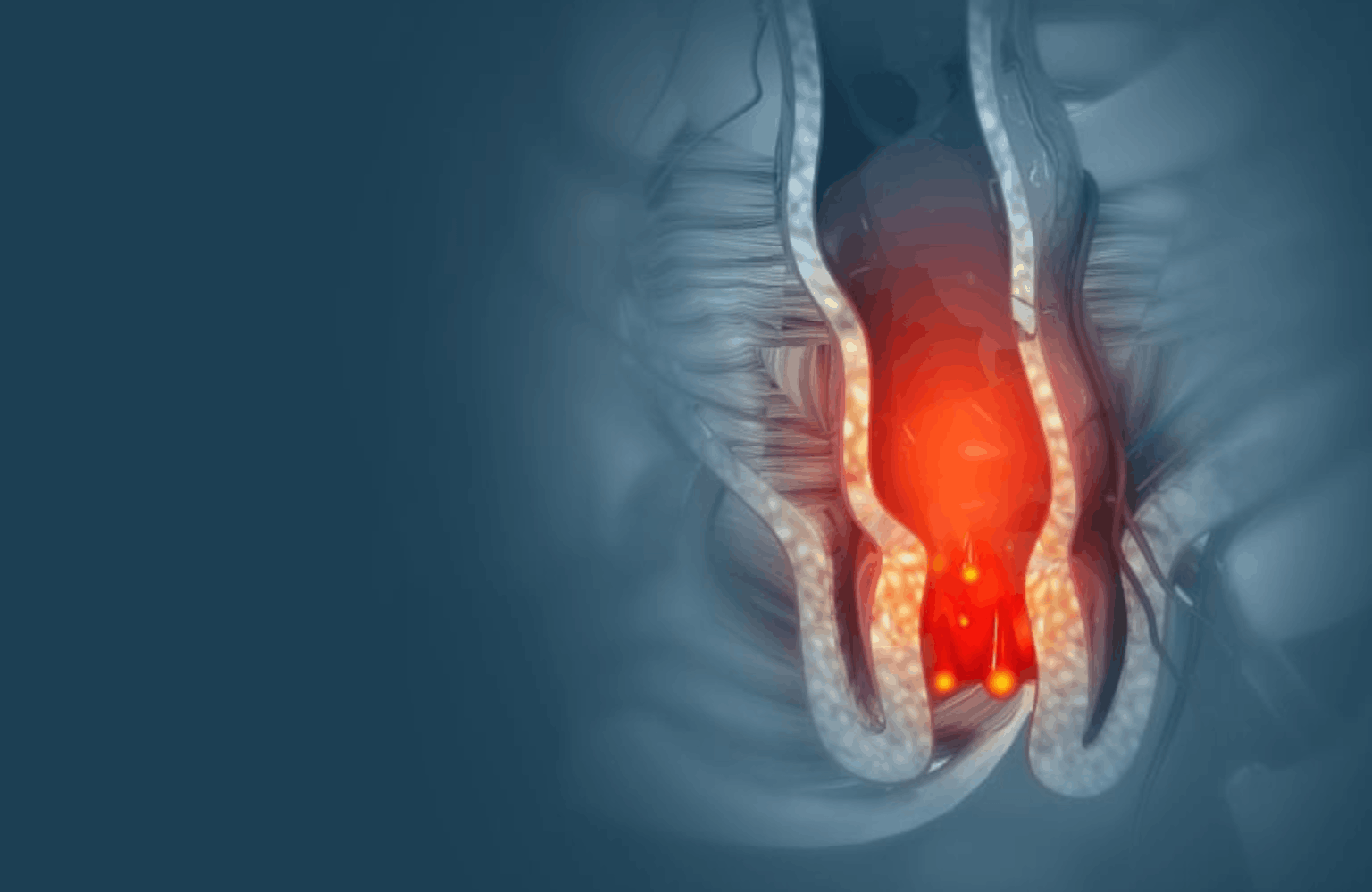
Piles known as Arsha in Ayurveda is a condition characterized by fleshy growths in the anal region caused by the vitiation of Doshas and Mandagni or weak digestive fire. It originates from constipation suppression of natural urges and sedentary habits leading to obstruction in the anal passage. Treatment focuses on improving digestion and regulating bowel movements. The Ayurvedic Formulary of India lists effective formulations like Arshoghna Vati and Takrarishta while Chakradatta emphasizes Takra or buttermilk as the supreme remedy. Therapies include Avagaha Sweda or sitz baths and Kshara Sutra application for removing the mass. Management requires consuming light foods like Surana and avoiding constipation inducing factors to alleviate pain and bleeding associated with this condition.
Piles, known as Hemorrhoids in modern medicine, is a condition characterized by swollen and inflamed veins in the rectum and anus that cause discomfort and bleeding. In Ayurveda, this condition is known as Arsha. It is described as a fleshy growth (Mamsa-ankura) that obstructs the anal passage and torments the patient like an enemy (Ari). It is considered one of the eight major difficult-to-cure diseases (Mahagada) in Ayurveda, often arising from severe digestive impairment.
The root cause of Piles in Ayurveda is Mandagni (weak digestive fire), which leads to constipation and the accumulation of waste.
Ayurveda classifies Arsha into six types based on the Doshas:
Functionally, they are also classified as:
The management of Arsha involves four approaches: Bheshaja (Medicine), Kshara (Alkaline application), Agni (Cauterization), and Shastra (Surgery).
Mayo Clinic – Hemorrhoids (Piles): Symptoms & Causes
https://www.mayoclinic.org/diseases-conditions/hemorrhoids/symptoms-causes/syc-20360268
Mayo Clinic – Diagnosis & Treatment
https://www.mayoclinic.org/diseases-conditions/hemorrhoids/diagnosis-treatment/drc-20360275
Cleveland Clinic – Hemorrhoids
https://my.clevelandclinic.org/health/diseases/15141-hemorrhoids
MedlinePlus – Hemorrhoids
https://medlineplus.gov/hemorrhoids.html
Johns Hopkins Medicine – Hemorrhoids
https://www.hopkinsmedicine.org/health/conditions-and-diseases/hemorrhoids
National Institute of Diabetes and Digestive and Kidney Diseases (NIDDK)
https://www.niddk.nih.gov/health-information/digestive-diseases/hemorrhoids
Diseases of the Colon & Rectum (ASCRS Journal)
https://journals.lww.com/dcrjournal
Q: Is buttermilk good for piles?
A: Yes. According to Chakradatta, buttermilk (Takra) is considered the best remedy for piles. It improves digestion, is light to digest, and does not aggravate the Doshas when prepared correctly. It acts as "nectar" for patients with piles.
Q: Can congenital piles (from birth) be cured?
A: Ayurvedic texts like Madhava Nidana classify Sahaja Arsha (congenital piles) as Asadhya, meaning they are generally considered incurable or very difficult to treat, often requiring lifelong management rather than a complete cure.
Q: What herbs are best for bleeding piles?
A: Herbs like Kutaja (Holarrhena antidysenterica), Nagakesara, and Dura (Dub grass) are excellent for stopping bleeding. Applications of pastes made from these cooling herbs are recommended in Chakradatta for Raktarsha.
Q: Is surgery the only option for piles?
A: No. Ayurveda suggests four levels of treatment: Medicine (Bheshaja) for mild cases, Alkali (Kshara) and Fire Cautery (Agni) for moderate cases, and Surgery (Shastra) only for severe cases. Many cases can be managed with diet and medicine.
Written By
Sathyaprek
BDS
Reviewed By
Dr. Varun Gupta
MD Pharmacology, MBBS
Last updated on
Oct 22, 2026 • 06:23 PM (IST)
Read Our Editorial Policy
Want to know more?
Have issue with the content?
Report Problem
Colorectal Disease Journal
https://onlinelibrary.wiley.com/journal/14631318
Explore more articles about this topic
How to prevent piles with fibre, fluids and toilet habits.
How piles are treated, from lifestyle care to surgery.
Causes and risk factors of piles, including constipation and straining.
The four grades of internal piles.
Complications of piles and why bleeding must be checked.
Creams, stool softeners and procedures used for piles.