
Reviewed by medical experts • For informational purposes only
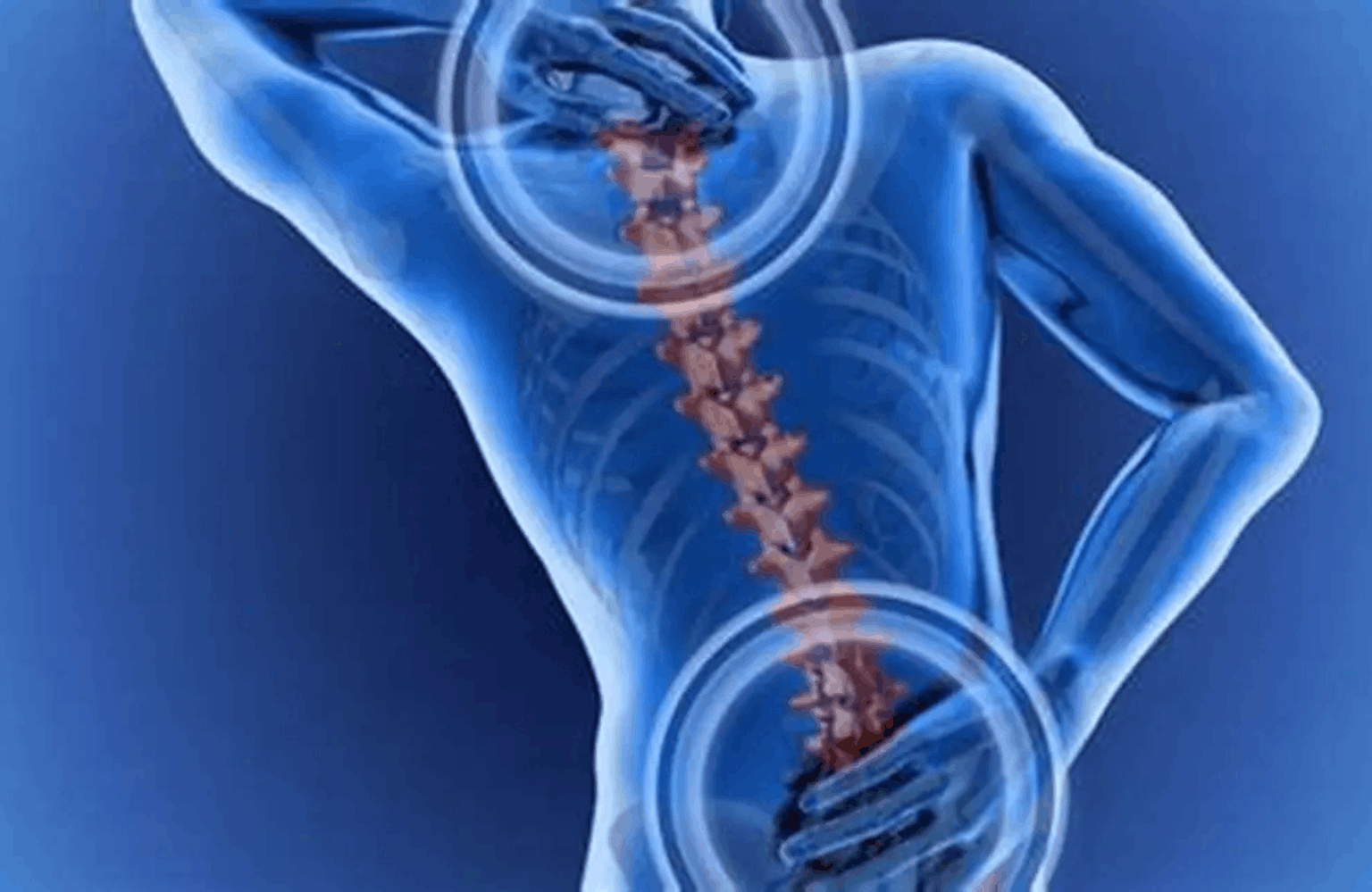
Osteoporosis correlates with the Ayurvedic condition Asthikshaya representing the diminution of bone tissue or Asthi Saushirya meaning porosity of bones. It arises from a unique inverse relationship where aggravated Vata dosha increases while bone tissue decreases causing fragility and hollowness. Common causes include aging excessive physical exertion and intake of dry rough or light foods which vitiate Vata. Symptoms often manifest as falling hair and teeth loose joints and deep bone pain. Management focuses on pacifying Vata through nourishment. The primary therapy is Basti specifically Tikta Ksheera Basti using milk processed with bitter herbs to nourish the bone tissue. External treatments like Pizhichil and Shashtika Shali Pinda Sweda are also effective for strengthening the skeletal system.
Osteoporosis is a progressive bone disease characterized by a decrease in bone mass and density, leading to fragility and an increased risk of fractures. In Ayurveda, this condition correlates with Asthikshaya (wasting of bone tissue). Bone (Asthi) is one of the seven bodily tissues (Dhatus), and its health depends on the balance of Vata Dosha (the bio-energy of air and ether). Ayurveda posits a unique inverse relationship between Vata and bone tissue: when Vata increases in the body, bone tissue decreases (Asthikshaya), often leading to Asthi-Saushirya (porosity of bones).
Modern Definition: A systemic skeletal disorder characterized by low bone mass and micro-architectural deterioration of bone tissue, causing fragility. Ayurvedic Definition: Asthikshaya is defined as the pathological diminution of Asthi Dhatu (bone tissue). It is a condition where the bones become weak, light, and prone to pain or fracture due to the drying influence of aggravated Vata.
The causes are primarily those that aggravate Vata and deplete the body's tissues.
Osteoporosis is generally classified by etiology:
The treatment principle is Vata Shamana (pacifying Vata) and Asthi-Majja Poshana (nourishing bone and marrow). Since bone is a "hard" tissue, it is nourished by Basti (enema) therapy using milk and ghee processed with bitter herbs.
National Osteoporosis Foundation (NOF)
Comprehensive patient and clinical guidance
https://www.nof.org/patients/what-is-osteoporosis/
National Institute of Arthritis and Musculoskeletal and Skin Diseases (NIAMS – NIH)
Osteoporosis overview and treatment options
https://www.niams.nih.gov/health-topics/osteoporosis
Centers for Disease Control and Prevention (CDC)
Osteoporosis and bone health
https://www.cdc.gov/nchs/fastats/osteoporosis.htm
Mayo Clinic
Osteoporosis: symptoms, causes, diagnosis, and prevention
https://www.mayoclinic.org/diseases-conditions/osteoporosis/symptoms-causes/syc-20351968
StatPearls – NCBI Bookshelf
Osteoporosis (peer-reviewed clinical review)
https://www.ncbi.nlm.nih.gov/books/NBK470215/
Q: Can Ayurveda reverse bone loss?
A: Ayurveda can significantly slow down bone loss and improve bone density through Rasayana (rejuvenation) therapies, calcium-rich herbal formulations (Praval, Shankha), and Basti treatments. In younger patients, reversing deficiency is possible; in the elderly, management is the goal.
Q: What is the best Ayurvedic calcium source?
A: Ayurveda uses marine and mineral sources for calcium, known as Sudha Varga. This includes Praval (Coral), Shankha (Conch shell), Mukta (Pearl), and Godanti (Gypsum). These are processed into Bhasma (ash) to make them bio-available and safe.
Q: Why is "Bitter" taste used for bones?
A: Although the bitter taste generally increases Vata, Charaka Samhita states that the bone tissue (Asthi) is best treated with Basti (enemas) prepared with Milk (Kshira) and Ghee (Ghrita) processed with Bitter (Tikta) herbs. This specific combination purifies and nourishes the bones.
Q: Does Panchakarma help osteoporosis?
A: Yes. Basti (Medicated Enema) is considered the most effective treatment for Vata disorders and bone health. Since Vata resides in the colon and bones, Basti treats the root of the problem.
Written By
Sathyaprek
BDS
Reviewed By
Dr. Varun Gupta
MD Pharmacology, MBBS
Last updated on
Oct 23, 2026 • 06:23 PM (IST)
Read Our Editorial Policy
Want to know more?
Have issue with the content?
Report Problem
Explore more articles about this topic
How osteoporosis is diagnosed with a DEXA scan, FRAX score and blood tests.
Home care for osteoporosis: fall-proofing, weight-bearing activity, sunlight and posture.
Diet for osteoporosis: calcium, vitamin D and protein sources, foods to limit, supplement cautions.
How osteoporosis is treated with lifestyle, fall prevention and medicines, and why follow-up matters.
Medicines for osteoporosis: calcium, vitamin D, bisphosphonates and denosumab, with safety points.
Symptoms of osteoporosis such as fractures, height loss and back pain, and who should be tested.
