
Reviewed by medical experts • For informational purposes only
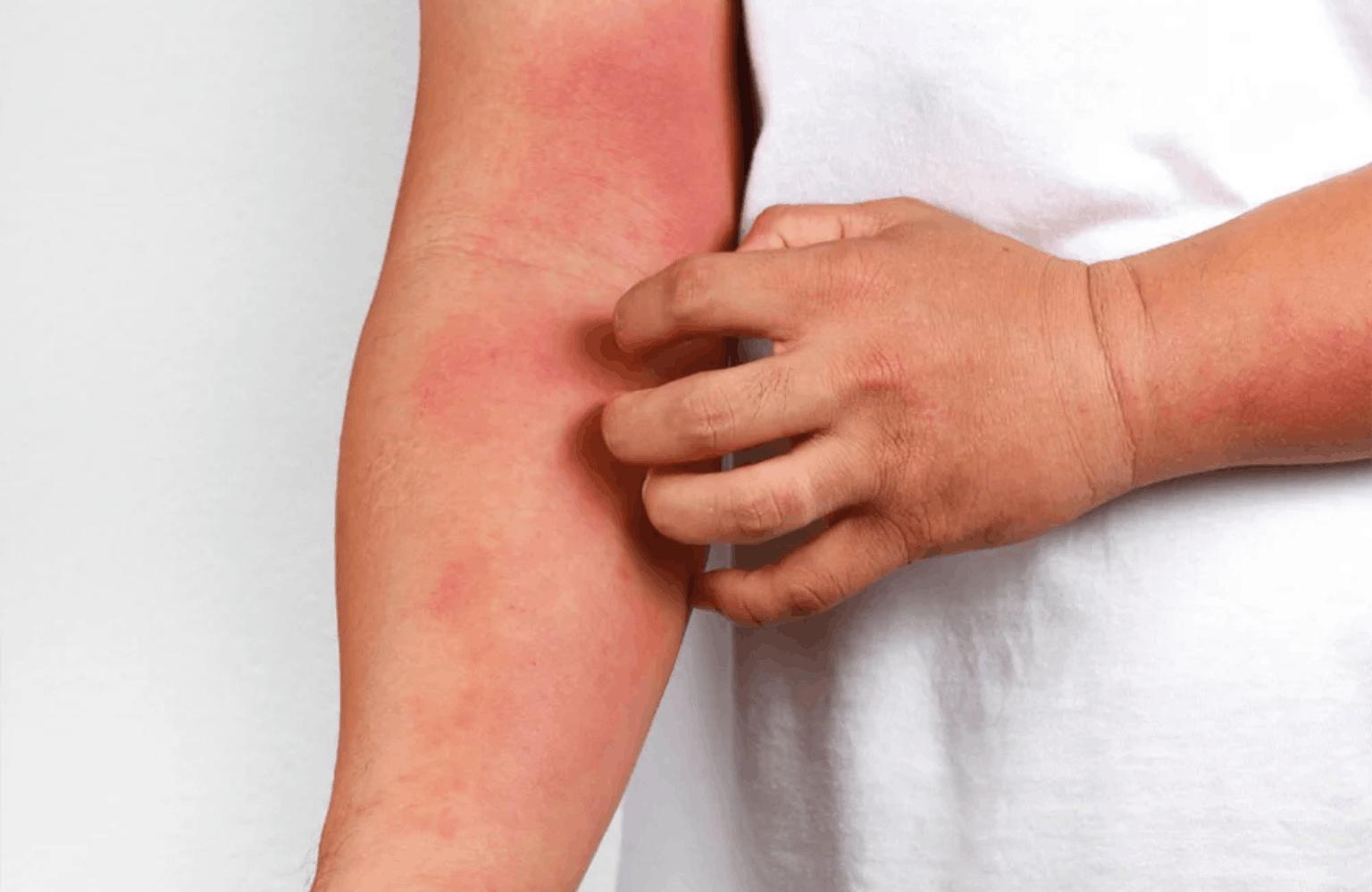
Heat rash is understood in Ayurveda as a manifestation of aggravated Pitta Dosha affecting the blood or Rakta and skin or Twak often termed Pittaja Pidaka or Visphota. It arises when internal heat and excessive sweating or Ati sweda lead to the obstruction of sweat channels causing inflammation redness and burning pustules. The condition is triggered by hot weather spicy foods and exposure to the sun. Management focuses on Pitta Shamana or cooling therapies to pacify heat and purify the blood. Effective remedies include formulations like Haridrakhanda for itching and Chandanasava to reduce burning sensations. External applications of cooling herbs such as Chandana or Sandalwood and Usira or Vetiver are highly recommended along with a Pitta pacifying diet rich in sweet and bitter tastes.
Heat rash, also known as prickly heat or miliaria, is a skin condition characterized by small, itchy rashes and prickly sensation caused by trapped sweat. In Ayurveda, this condition is understood as a manifestation of aggravated Pitta Dosha (Fire element) affecting the skin (Twak) and blood (Rakta). It is often described under the categories of Pittaja Pidaka (Pitta pustules) or Visphota (blisters).
Ayurvedic texts attribute skin inflammations and Pitta disorders to specific dietary and lifestyle factors that increase heat in the body.
The process begins when heat-aggravating factors increase Pitta in the body.
While heat rash is a general term, Madhava Nidana classifies skin eruptions (Visphota) based on Dosha dominance:
Management focuses on Pitta Shamana (pacifying heat) and Rakta Prasadana (soothing the blood).
World Health Organization (WHO) – Heat and skin health
https://www.who.int/teams/environment-climate-change-and-health/heat
Mayo Clinic – Heat rash
https://www.mayoclinic.org/diseases-conditions/heat-rash
StatPearls (NCBI Bookshelf) – Miliaria
https://www.ncbi.nlm.nih.gov/books/NBK537176/
National Health Portal of India – घमौरियां (Heat Rash)
https://www.nhp.gov.in/disease/skin/heat-rash
Ministry of Health & Family Welfare, Government of India – त्वचा रोग एवं गर्मी से बचाव
https://www.mohfw.gov.in/
Q: Is Sandalwood good for heat rash?
A: Yes. Chandana (Sandalwood) is described in Ayurvedic texts as having cooling properties (Sheeta Virya) that relieve burning sensation (Daha) and skin inflammation.
Q: What foods should I avoid if I have a heat rash?
A: You should avoid foods that aggravate Pitta (heat), such as spicy peppers, sour foods (pickles, vinegar), excess salt, and alcohol [Charaka Samhita].
Q: Can Ayurveda treat itching caused by heat?
A: Yes. Formulations like Haridrakhanda are specifically indicated in the Ayurvedic Formulary of India for treating Kandu (itching) and Visphota (blisters/rashes).
Q: Is purging recommended for skin rashes?
A: For severe or recurrent Pitta-type skin issues, Ayurveda recommends Virechana (therapeutic purgation) to expel excess heat and toxins from the body [Charaka Samhita].
Written By
Sathyaprek
BDS
Reviewed By
Dr. Varun Gupta
MD Pharmacology, MBBS
Last updated on
Oct 22, 2026 • 06:23 PM (IST)
Read Our Editorial Policy
Want to know more?
Have issue with the content?
Report Problem
Explore more articles about this topic
Tiny red bumps, clear blisters, prickling and itch, plus infection and heat illness signs.
Cool the skin, loose cotton, keep dry, what to avoid and safe baby care.
From blocked sweat to recovery, usual healing time and when to seek care.
Blocked sweat ducts, hot humid weather, tight clothing and thick creams.
Stay hydrated, eat light cooling foods and what to limit in hot weather.
Miliaria crystallina, rubra and profunda, and which types need a doctor.