
Reviewed by medical experts • For informational purposes only
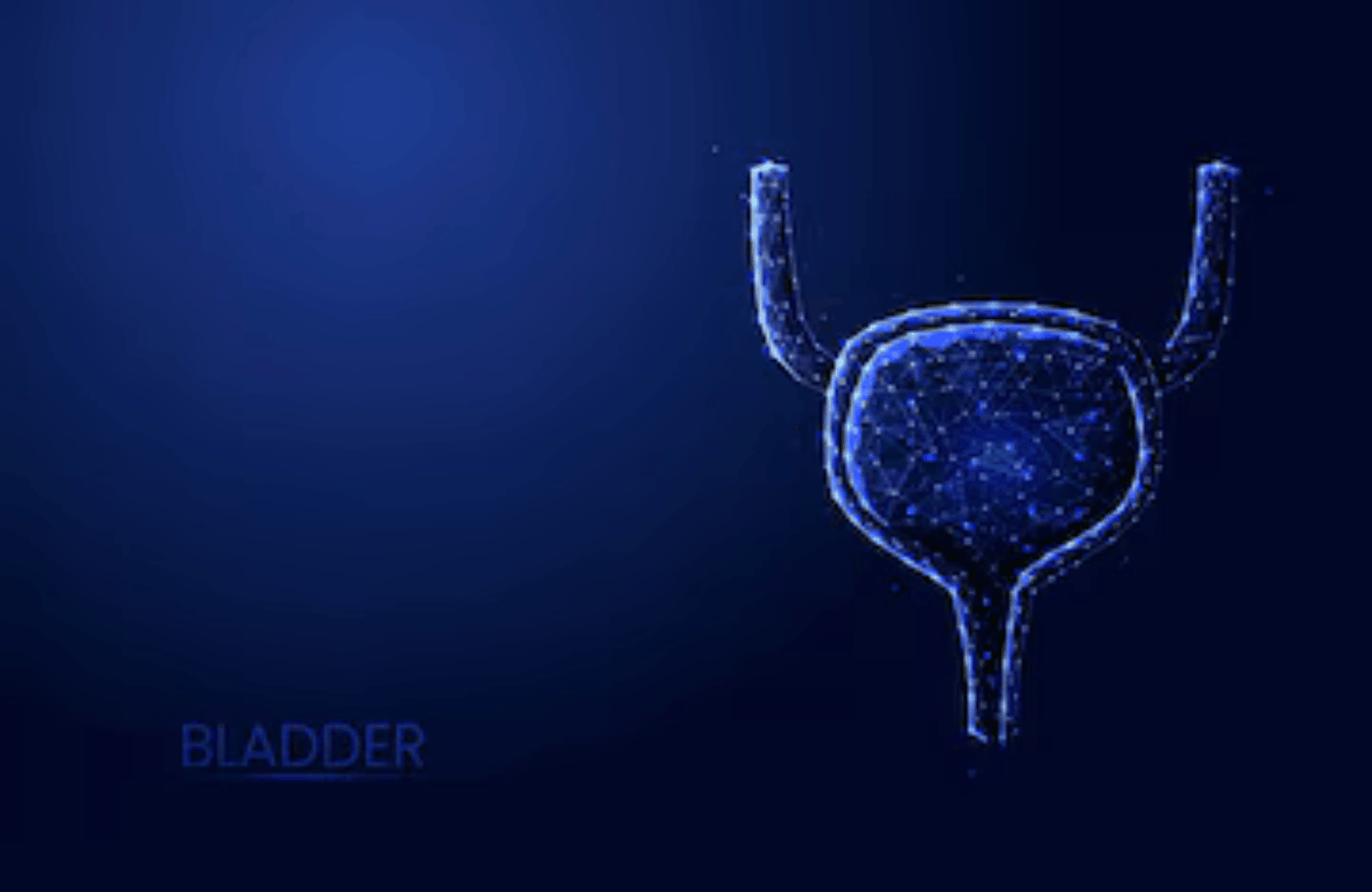
Bladder infection corresponds to the Ayurvedic condition Mutrakrcchra characterized by dysuria and painful voiding. It occurs when vitiated Doshas specifically Pitta and Vata enter the Mutravaha Srotas or urinary channels and lodge in the bladder causing inflammation and obstruction. The condition presents with symptoms such as severe burning sensation frequent urge to urinate and sometimes reddish or yellowish urine. Causes include the suppression of natural urges excessive physical exertion and the consumption of sharp dry or hot foods,. Treatment focuses on cooling the system and clearing blockages using diuretics and anti-inflammatory herbs like Gokshura and Varuna,. Therapeutic procedures such as Avagaha Sweda or sitz baths and specific medicated enemas are highly effective in soothing the urinary tract,.
Bladder infection, medically often synonymous with Cystitis or lower Urinary Tract Infection (UTI), is a condition characterized by inflammation of the bladder. In Ayurveda, this condition and its symptoms fall primarily under the category of Mutrakrcchra (Dysuria/Painful urination). It is a disorder affecting the Mutravaha Srotas (urinary channels), where the patient experiences difficulty and severe pain while passing urine. It involves the vitiation of the Doshas (bio-energies) leading to inflammation and obstruction in the urinary tract.
Mutrakrcchra is defined in classical texts like Madhava Nidana as a condition where a person passes urine with great difficulty and pain (Duhkham). While it covers various forms of Dysuria, the subtypes associated with burning sensation (Daha) and inflammation correlate closely with bladder infections.
Literal Meaning: The term is derived from two Sanskrit words: Mutra (Urine) and Krcchra (Difficulty or Pain). Thus, it literally translates to "difficulty in urination".
Conceptual Interpretation: Ayurveda considers the bladder (Vasti) as one of the vital organs (Marma). The pathology occurs when the aggravated Doshas (Vata, Pitta, Kapha) enter the urinary system and compress or irritate the urinary passages, leading to painful and intermittent voiding.
The causes are categorized into dietary habits and lifestyle factors that aggravate the Doshas, particularly Pitta and Vata.
Irritant Foods: Excessive consumption of foods that are too hot (Ushna), sharp (Tikshna), or dry (Ruksha).
Alcohol and Meat: Intake of alcohol (Madya) and the meat of marshy animals (Anupa Mamsa) are cited as aggravating factors.
Indigestion: Eating before the previous meal is digested (Ajirna) contributes to the formation of metabolic toxins which affect the urinary tract.
Physical Exertion: Excessive physical exercise (Vyayama) or riding fast-moving animals/vehicles (Yana) disturbs the Vata dosha in the pelvic region.
Suppression of Urges: Habitually suppressing the natural urge to urinate (Mutra-vegadharana) is a primary cause of bladder pain and dysuria.
The disease progresses through the interaction of the Doshas with the urinary system.
Samprapti Ghataka (Components):
Dosha: Pitta (burning/infection), Vata (pain/flow), and Kapha (swelling/heaviness).
Dushya (Tissues): Mutra (Urine) and the urinary tract lining.
Srotas (Channels): Mutravaha Srotas (Channels carrying urine).
Agni (Digestion): Impaired digestion leads to the formation of toxins that enter the urine.
Adhisthana (Site): Vasti (Bladder) and Mehana (Urethra).
Process: The aggravated Doshas, either individually or in combination, lodge in the bladder (Vasti). They obstruct the urinary passage (Mutramarga), compressing it and causing inflammation. This results in the characteristic symptom of painful and difficult urination.
Symptoms vary based on the dominant Dosha involved.
Difficulty in passing urine.
Pain in the bladder, groin, or urethra.
Frequent urge to urinate with scanty output.
Pittaja Mutrakrcchra: Characterized by a severe burning sensation (Daha), reddish or yellowish urine (Sarakta/Pita Mutra), and pain during urination. This type most closely resembles acute Cystitis.
Vataja Mutrakrcchra: Severe colicky pain in the groin (Vankshana) and bladder (Vasti), with urine passed in small drops.
Kaphaja Mutrakrcchra: Swelling and heaviness in the bladder region; urine is sticky, slimy, or white.
Sannipataja: A combination of all the above symptoms.
Raktaja: Passage of blood in the urine (Hematuria) caused by trauma or severe Pitta aggravation.
Charaka Samhita and Madhava Nidana classify Mutrakrcchra into eight types:
There is also a related condition called Mutraghata (Urinary Obstruction), which has 13 types and involves more severe retention of urine.
Ayurvedic Diagnosis:
Darshana (Observation)
Sparshana (Palpation)
Prashna (Questioning)
Differential Diagnosis:
It is distinguished from Ashmari (Calculi). In Ashmari, the pain often stops after the stone passes or shifts, whereas in Mutrakrcchra, the pain is associated with the inflammatory process of voiding.
Treatment focuses on pacifying the aggravated Dosha (usually Pitta and Vata) and cleansing the urinary tract.
Intake of water mixed with jaggery/sugar, milk, and grape juice (Draksha).
Rice water (Tandulodaka) and buttermilk (Takra) are beneficial for clearing blockages.
Avoid alcohol, hot spices, and dry foods.
Gokshura (Tribulus terrestris)
Varuna (Crataeva nurvala)
Punarnava
Shilajatu
Trikantakadi Ghrita
Gokshuradi Guggulu
Eladi Churna
Curable (Sadhya)
Difficult (Krichrasadhya)
Untreated cases may lead to Mutraghata (complete retention).
Mutrakrcchra equates to Dysuria.
Pittaja Mutrakrcchra correlates with acute Cystitis or Urinary Tract Infection (UTI).
Ashmarija Mutrakrcchra correlates with Renal/Bladder Calculi.
Mutraghata correlates with Urinary Retention or Benign Prostatic Hyperplasia (BPH).
Modern medicine emphasizes bacterial causes (e.g., E. coli). Ayurveda emphasizes imbalance of Doshas and Agni leading to the condition.
MSD Manuals — Bladder Infection (सिस्टाइटिस)
A comprehensive medical overview of bladder infection (सिस्टाइटिस) — symptoms like frequent urination and burning, causes (bacterial entry through the urethra), diagnosis by urine tests, and treatment with antibiotics.(MSD Manuals)
NIDDK (NIH) — Bladder Infection Facts
Definition and facts about bladder infections in adults, how they’re diagnosed and their potential complications (e.g., spread to kidneys), with expert clinical references.(NIDDK)
JAMA — Urinary Tract Infection (UTI) Overview
A clinical overview of urinary tract infections, including lower UTIs (bladder infection) — symptoms such as pain or burning with urination, urgency, and frequency.(JAMA Network)
Antibiotic Resistance in UTI Bacteria
Study on antibiotic susceptibility patterns of bacteria causing UTIs (which include bladder infections), showing common bacterial species and rising antimicrobial resistance.(arXiv)
MyUpchar — Bladder Infection Causes & Symptoms (Hindi)
Explains bladder infection as a type of UTI, describes bacterial causes, urinary symptoms, and when to see a doctor.(MyUpchar)
OnlyMyHealth (Hindi) — Symptoms, Causes & Prevention
Doctor-verified Hindi article on bladder infections — what symptoms to look for and how to prevent recurrence.(Onlymyhealth)
Q: What is the best home remedy for burning urination in Ayurveda?
A: Ayurvedic texts recommend drinking rice wash water (Tandulodaka) mixed with sugar or honey, or consuming juice of Amalaki (Indian gooseberry) and grapes (Draksha) to cool the system and relieve burning,.
Q: Can stress cause bladder problems?
A: Yes. Ayurveda considers the suppression of natural urges (Vegadharana) and mental stress as factors that aggravate Vata dosha, which can lead to Mutrakrcchra (painful urination) or Mutraghata (retention).
Q: Is "Sitz bath" recommended in Ayurveda for bladder infections?
A: Yes. Avagaha Sweda (Sitz bath) is a classical Ayurvedic procedure where the patient sits in warm medicated liquid. It is specifically indicated for urogenital problems, pain in the bladder, and difficulty in urination.
Q: What herbs are used for bladder stones causing infection?
A: Varuna (Crataeva nurvala) and Gokshura (Tribulus terrestris) are the primary herbs mentioned in Chakradatta for treating Ashmari (stones) and the associated pain and dysuria,.
Written By
Sathyaprek
BDS
Reviewed By
Dr. Varun Gupta
MD Pharmacology, MBBS
Last updated on
Oct 22, 2026 • 06:23 PM (IST)
Read Our Editorial Policy
Want to know more?
Have issue with the content?
Report Problem
Explore more articles about this topic
Diet for bladder infection: fluids that flush, coconut water, barley, coriander water - and the caffeine, alcohol and spicy foods to skip while the bladder heals.
Cystitis, urethritis and kidney infection; uncomplicated vs complicated; recurrent UTI and asymptomatic bacteriuria - how doctors type urinary infections and why the type decides treatment.
Ayurveda's Mutrakrichra tradition for painful urination: Gokshura, Punarnava, Chandraprabha Vati, sitz baths - as a supportive layer alongside, never instead of, antibiotics.
What causes a bladder infection: how gut bacteria reach the bladder, why women are affected more, and the triggers - from holding urine to menopause, diabetes and catheters.
Bladder infection complications: kidney infection, sepsis, pregnancy risks, recurrence and stones - the warning signs and why prompt treatment prevents them all.
Home remedies for bladder infection that actually help: hydration, not holding urine, warmth for cramping - plus the honest truth about cranberry and when home care is not enough.
