
Reviewed by medical experts • For informational purposes only
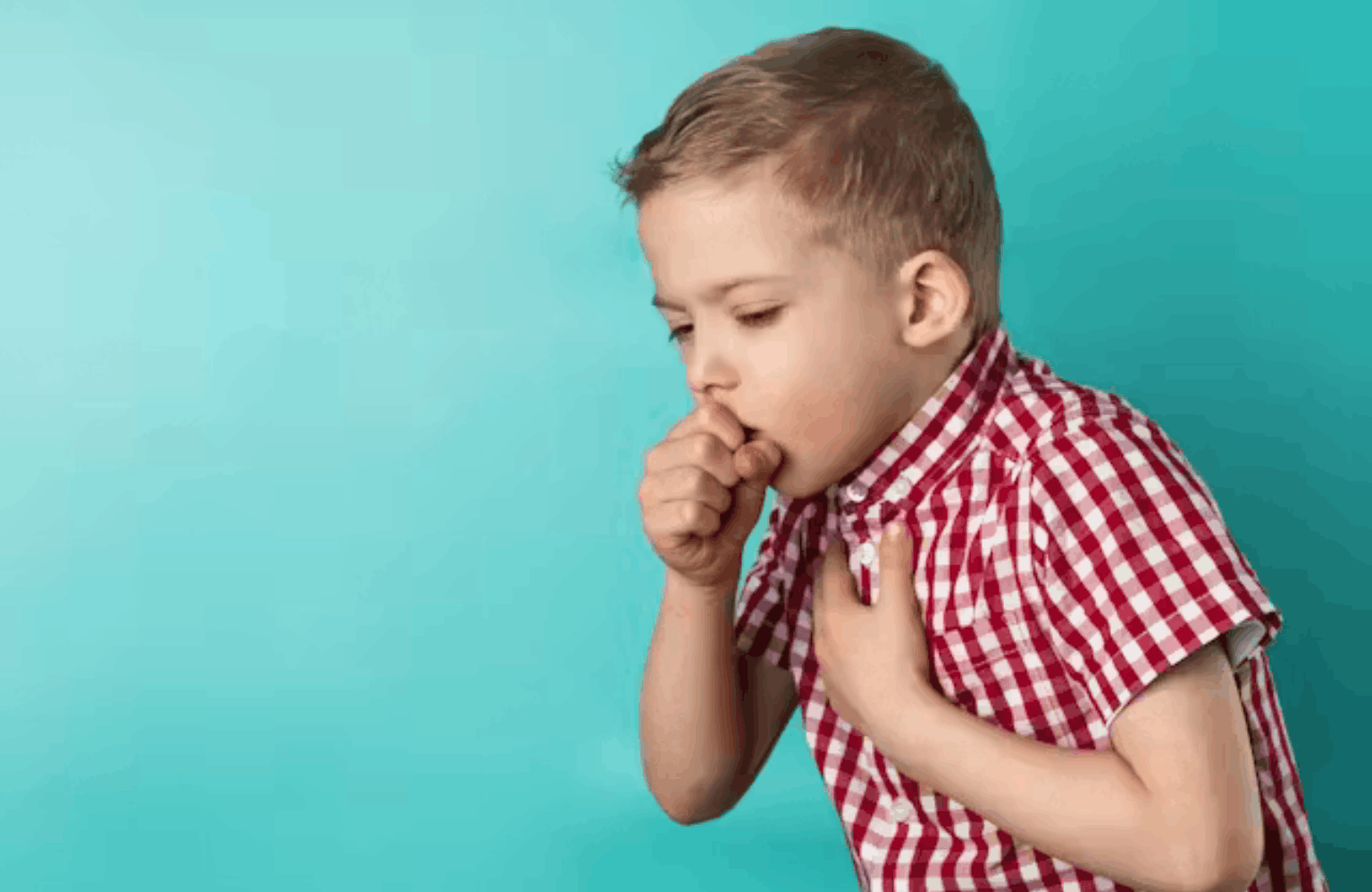
Whooping cough identified as pertussis in World Health Organization statistics is a vaccine-preventable disease prevented by the DTP3 immunization which saves millions of lives annually,. In Ayurvedic nosology conditions characterized by severe coughing are classified under Kasa which Madhava Nidana divides into five types including Vataja Pittaja Kaphaja and those caused by injury or wasting,. The pathology describes Vata dosha being obstructed in the lower body and forcing itself upward into the chest and throat producing distinct sounds. Therapeutic management described in Chakradatta for Kasa focuses on pacifying Vata and Kapha using specific herbal linctuses and medicated ghees containing ingredients like Kantakari and Pippali to clear respiratory channels and alleviate coughing bouts,.
Whooping cough, medically known as pertussis, is a highly contagious respiratory tract infection. In classical Ayurveda, the symptoms and pathology are described under the disease entity Kasa (Cough). Severe forms such as Maha-Kasa (Great Cough) or Kaphaja Kasa share many clinical features with whooping cough, including violent bouts of coughing, thick mucus, and vomiting.
In Ayurveda, the condition resembling Whooping Cough is defined as a specific type of Kasa (Cough). It is characterized by the obstruction of the movement of Vata (specifically Prana Vayu and Udana Vayu) in the respiratory tract. This obstruction compels the air to move upward forcefully, resulting in a loud, dry, or productive cough that shakes the body.
Literal Meaning: The Sanskrit word Kasa is derived from the root Kas, which means "to go" or "to sound." It implies a condition where the breath makes a sound while moving or being expelled.
Conceptual Interpretation: Ayurveda views cough not just as a symptom but as an independent disease entity (Vyadhi). It is caused by the suppression of the downward movement of Apana Vayu, which forces the Prana Vayu (breath) and Udana Vayu (speech/upward air) to rush upward into the throat and chest to expel impurities, producing a distinct sound.
Dry and Cold Foods: Excessive consumption of dry, cold, or astringent foods aggravates Vata, leading to dry, spasmodic coughing.
Heavy and Slimy Foods: Consuming heavy, sweet, or oily foods increases Kapha (mucus), which can block the respiratory channels.
Environmental Irritants: Exposure to smoke (Dhuma) and dust (Raja) entering the mouth and nose is a primary cause.
Physical Strain: Excessive physical exercise (Ativyayama).
Suppression of Urges: Suppressing natural urges (Vegadharana) forces the air upward, triggering cough.
Food Entrance: Food entering the wrong passage (respiratory tract instead of the esophagus) can trigger violent coughing.
Srotas (Channels): Pranavaha Srotas.
Agni (Digestion): Impaired digestion leads to the formation of Ama.
Adhisthana (Site): Kantha and Urah.
Kanthakandu
Shukapurnagalasyata
Difficulty in swallowing food
Hoarseness of voice
Broken bronze vessel sound (Bhinna-kamsya-svana)
Continuous coughing (Vegavan) leading to Moha
Pain in chest, flanks, and head
Vomiting (Chardi) of thick mucus
Facial dryness and redness
Ayurveda classifies Kasa into five types:
Ayurvedic Diagnosis: Shabda, Darshana, Prashna
Differential Diagnosis: Differentiation from Kshayaja Kasa
Recommended: Mamsarasa, old rice
Avoid: Cold water, dry foods
Rest
Curable if treated early
Progression to Kshaya if neglected
Correlates with Pertussis
Caused by Bordetella pertussis
Severe infant cases require modern intervention
Q: Does Ayurveda have a specific name for Whooping Cough?
A: Ayurveda describes it under Kasa (Cough). The symptoms of Vataja Kasa (dry, violent cough with a loud noise like a broken bronze vessel) closely resemble Whooping Cough.
Q: Why does the cough sound like a "bark" or "whoop"?
A: According to Madhava Nidana, this sound occurs because the Vata dosha is obstructed in the chest and throat. When it is expelled forcefully, it produces a distinct, loud sound compared to a broken bell or bronze vessel.
Q: Can Ayurvedic steam therapy help?
A: Yes. Vashpa Sweda (steam bath) or localized steam is recommended to liquefy the Kapha (mucus) stuck in the chest, making it easier to expel and relieving the stiffness and spasm.
Q: What is a good home remedy from the texts?
A: A linctus (paste to be licked) made of Pippali (Long pepper), Sunthi (Ginger), and Maricha (Black pepper)—known as Trikatu—mixed with honey or ghee is beneficial for clearing mucus and reducing cough spasms.
Q: Is vomiting during cough mentioned in Ayurveda?
A: Yes. Ayurveda notes that in coughs associated with Kapha, the patient may vomit thick mucus mixed with food, which often brings temporary relief from the coughing bout.
Written By
Sathyaprek
BDS
Reviewed By
Dr. Varun Gupta
MD Pharmacology, MBBS
Last updated on
Oct 22, 2026 • 06:23 PM (IST)
Read Our Editorial Policy
Want to know more?
Have issue with the content?
Report Problem
Explore more articles about this topic
Classic in unvaccinated children, atypical and dangerous in infants, hidden and contagious in adults - age and danger signs decide severity.
Cold stage (most contagious), fits stage (weeks - infants belong in hospital), long recovery - fever or apnoea at any point changes everything.
Cold, then coughing fits with whoop and vomiting for weeks - in infants, a breathing pause or blue spell is the emergency signal.
Infants and danger signs to hospital; older mild cases at home with antibiotics and supportive care; the cough resolves on its own clock.
Infant apnoea and pneumonia are the killers; rib fractures and burst vessels are the mechanical costs; vaccination prevents the whole list.
Whooping cough is a highly contagious bacterial infection - weeks of coughing fits with a whoop - and infants are the lives at stake.
