
Reviewed by medical experts • For informational purposes only
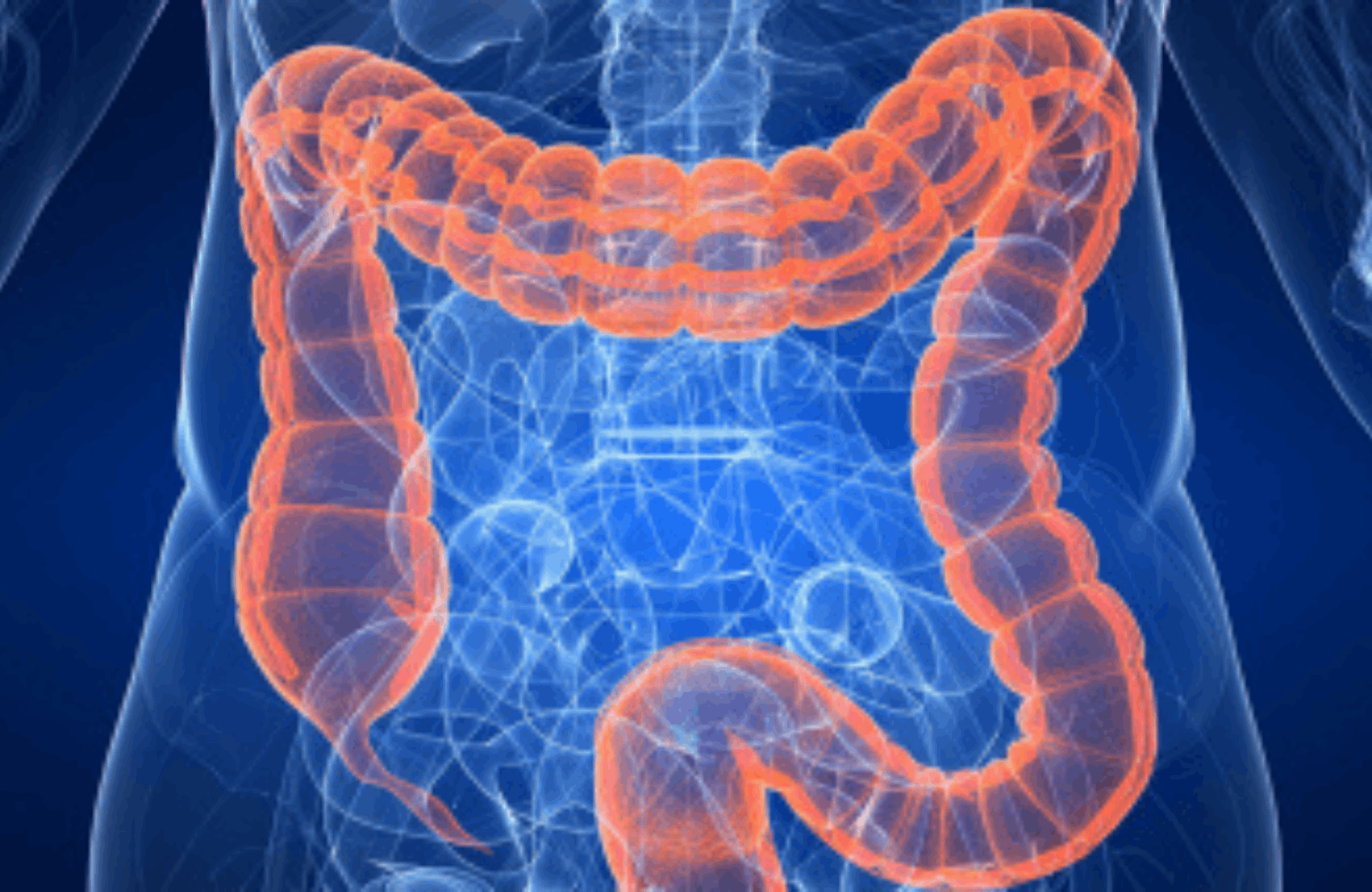
Ulcerative colitis correlates with the Ayurvedic condition Raktatisara characterized by severe bloody diarrhea and Pittaja Grahani involving digestive fire impairment. It arises when vitiated Pitta and Rakta doshas damage the colon lining creating ulcers and inflammation often due to spicy foods and stress. Clinical features include frequent bloody stools with mucus abdominal colic and burning sensation. Ayurvedic management focuses on Stambhana or binding therapies to stop bleeding and Vranaropana to heal ulcers. Key treatments include Piccha Basti a medicated enema to coat the bowel and internal administration of herbs like Kutaja Bilva and Boswellia serrata. Modern studies confirm these herbal interventions significantly reduce inflammatory markers and improve symptom remission comparable to conventional corticosteroids.
Ulcerative Colitis (UC) is a chronic inflammatory bowel disease (IBD) that causes inflammation and ulcers (sores) in the digestive tract. In Ayurveda, the symptoms of UC—specifically the passage of blood and mucus with stool—are described under the conditions of Raktatisara (severe diarrhea characterized by blood) and Pittaja Grahani (digestive disorder driven by heat/metabolic imbalance).
Modern Definition: A chronic condition resulting in inflammation and ulcers in the mucosal lining of the colon and rectum, characterized by bloody diarrhea, abdominal pain, and urgent bowel movements.
Ayurvedic Definition: A severe stage of Atisara (diarrhea) where the Pitta dosha (fire element) vitiates the blood (Rakta), causing inflammation and ulceration in the intestines, leading to the excretion of blood-mixed stool. It involves the impairment of Grahani (the seat of digestion/small intestine) and is often associated with Pravahika (tenesmus or straining).
The root causes are linked to factors that aggravate Pitta and destroy the digestive fire.
Modern Global Epidemiology: In 2019, there were approximately 4.9 million cases of IBD worldwide, with China and the USA having the highest number of cases. The global age-standardized incidence rate was 4.97 per 100,000 person-years, with significant regional variations.
Modern Pathogenesis: IBD results from an inappropriate immune response against environmental factors, including luminal and microbial antigens, in genetically susceptible hosts. The rising incidence in newly industrialized nations is associated with dietary changes, including increased exposure to processed food, refined sugars, and less plant-based fibers.
Modern Clinical Presentation: UC and CD are characterized by periods of relapse and remission, with symptoms including abdominal pain, fatigue, reduced appetite, and diarrhea. Rectal bleeding occurs more frequently with ulcerative colitis than with Crohn's disease.
While UC is a specific diagnosis, Ayurveda classifies similar presentations as:
Modern Classification: IBD includes Crohn's disease (CD) and ulcerative colitis (UC), affecting over 10 million individuals worldwide. The global prevalence has increased by approximately 47% in the last 50 years.
Modern Diagnosis: Global studies show varying diagnostic capabilities across different regions, with significant investment needed in low and middle-income countries. Standard diagnosis involves endoscopy, histopathology, and inflammatory markers.
The management focuses on Stambhana (stopping bleeding/diarrhea), Vranaropana (healing ulcers), and Grahi(improving absorption/digestion) .
Classical Ayurvedic Formulations:
Modern Research-Validated Herbs:
Current treatment includes corticosteroids, immunosuppressants, and biologic agents; however, 21-60% of IBD patients use complementary or alternative therapies due to perception of less toxicity. Plant-derived natural products show promising anti-inflammatory, antioxidant, and immunomodulatory effects.
Clinical Evidence for Panchakarma: Studies show significant improvement in bleeding control, bowel frequency, and general condition of UC patients with Ayurvedic treatments including Basti therapy.
Modern Prognosis: Global mortality from IBD has been declining, with improved quality of life through modern treatments, though significant healthcare disparities persist. The burden is projected to continue rising until 2050 due to population growth and aging.
Research Validation: Boswellia serrata preserves intestinal epithelial barrier from oxidative and inflammatory damage. Clinical studies show Boswellia extract H15 was comparable to mesalamine for active Crohn's disease.
The Lancet - Global burden of inflammatory bowel disease - Comprehensive global disease burden analysis
PMC - Inflammatory bowel disease: An expanding global health problem - Global epidemiology and emerging patterns
BMC Public Health - Global trends of inflammatory bowel disease - Bayesian modeling of future trends
PubMed - Worldwide incidence and prevalence of IBD - Systematic review of population-based studies
PMC - Effects of Ayurvedic treatment on ulcerative colitis patients - Clinical study on 43 patients
Total Ayurveda - Ayurvedic treatment for ulcerative colitis - Traditional treatment principles
PubMed - Ayurvedic treatment effects in ulcerative colitis - Clinical validation study
Q: Can Ayurveda stop the bleeding in Ulcerative Colitis?
A: Yes. Ayurveda uses Stambhana (stopping) therapies. Herbs like Kutaja bark, Nagakesara, and Dadima (pomegranate) are strong astringents used to stop bleeding. Specifically, Piccha Basti (a medicated enema) is highly effective for stopping rectal bleeding.
Q: What is the "Piccha Basti" mentioned for this condition?
A: Piccha Basti is a therapeutic enema containing milk, ghee, honey, and slimy substances (like Salmali or Mocharasa). It is designed to coat the colon, heal ulcers (Vranaropana), and stop bleeding immediately.
Q: Is milk recommended for Ulcerative Colitis in Ayurveda?
A: Generally, yes. In cases of excessive bleeding and burning sensation (Pitta dominance), boiled and cooled milk or goat's milk is considered beneficial because it acts as a coolant and heals ulcers. However, it must be taken as per the physician's advice regarding digestion status.
Q: What is "Ama" and how does it relate to Colitis?
A: Ama is toxic undigested metabolic waste. In Ayurveda, colitis often starts with digestion impairment (Mandagni) leading to Ama formation. This Ama ferments and becomes acidic, damaging the colon lining. Treatment initially focuses on digesting this Ama (Pachana) using light foods and herbs.
Q: Are there specific Ayurvedic herbs validated for UC?
A: Yes. Scientific reviews have highlighted Curcumin (from Turmeric) and Boswellia serrata (Indian Frankincense) as effective in reducing inflammation and inducing remission in UC patients. Clinical trials show Boswellia achieved 82% remission rate compared to 75% with conventional therapy.
Q: What is the global burden of ulcerative colitis?
A: Globally, there were approximately 4.9 million IBD cases in 2019, with 405,000 new cases and 41,000 deaths. The highest prevalence is in Europe (ulcerative colitis: 505 per 100,000 in Norway) and North America (286 per 100,000 in the USA).
Q: How effective is integrative treatment combining Ayurveda and modern medicine?
A: Studies show promising results with integrative approaches. Clinical trials demonstrate that Ayurvedic treatments significantly correct bleeding and bowel frequency, which are cardinal features of ulcerative colitis. Research indicates that 21-60% of IBD patients use complementary therapies, with herbs showing good safety profiles and therapeutic efficacy.
Q: What does modern research say about Ayurvedic mechanisms of action?
A: Modern studies confirm that Ayurvedic herbs work through multiple pathways: Curcumin shows anti-inflammatory action by reducing IL-8, TNF-α, and IL-6 production by 30%, 25%, and 40% respectively. Boswellia serrata demonstrates antioxidant effects, reducing ROS production by 25% and preserving intestinal epithelial barrier function.
Q: What are the future projections for IBD globally?
A: The burden of IBD is projected to continue rising until 2050 due to population growth and aging, emphasizing the urgency of addressing this evolving public health challenge. Newly industrialized countries show accelerating incidence rates as societies become more westernized.
Written By
Sathyaprek
BDS
Reviewed By
Dr. Varun Gupta
MD Pharmacology, MBBS
Last updated on
Oct 23, 2026 • 06:23 PM (IST)
Read Our Editorial Policy
Want to know more?
Have issue with the content?
Report Problem
Explore more articles about this topic
The hallmark of ulcerative colitis is bloody diarrhoea with mucus and urgency - repeated urgent trips, night-time motions, crampy pain, and fatigue; severity ranges from mild to dangerous.
Ulcerative colitis has no permanent medicine-based cure, but modern treatment induces and holds remission for years; surgery (colon removal with a pouch) is the one true cure when medicines fail.
Ulcerative colitis itself cannot be prevented - it is autoimmune - but flares can: take maintenance medicines daily, avoid NSAID painkillers, keep vaccinations current and manage stress.
Ayurveda approaches ulcerative colitis as Raktatisara/Pitta Grahani with diet and herbs; these may support comfort but cannot replace mesalamine and immunosuppressants - stopping those invites flares.
Ulcerative colitis is classified by how much of the colon is inflamed - proctitis (rectum only), left-sided colitis, or extensive colitis (pancolitis) - and extent shapes treatment and cancer risk.
Regular moderate exercise and stress-calming yoga reduce ulcerative colitis flares and fatigue; during active flares go gentle, and skip strong abdominal strain and hot, dehydrating workouts.
