
Reviewed by medical experts • For informational purposes only
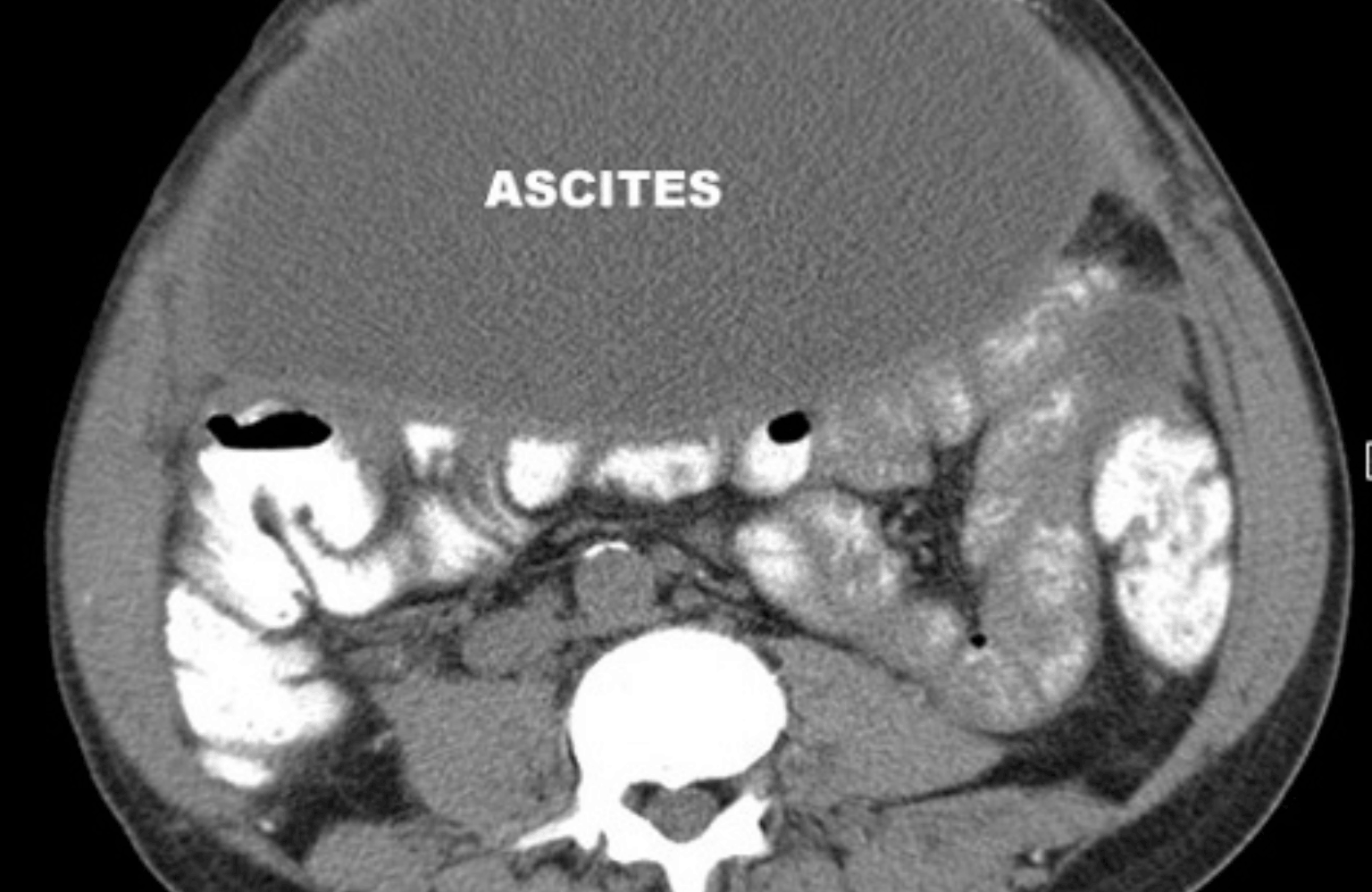
Ascites correlates with the Ayurvedic condition Jalodara or Dakodara falling under the broader category of Udararoga. It results from the vitiation of Vata dosha and severe impairment of Agni or digestive fire leading to the blockage of water and sweat channels known as Udakavaha and Swedavaha srotas. Common causes include chronic indigestion liver enlargement or Yakrtodara and excessive intake of water or salty foods. Key symptoms involve massive abdominal distension with fluid accumulation and extreme thirst. Management strictly prohibits water intake replacing it with milk or buttermilk known as Takra to nourish the patient without increasing fluid retention. Therapeutic purgation or Nityam Virechana using Castor oil or formulations like Naracha Ghrita is essential. Herbo mineral drugs like Arogyavardhini Vati and diuretics containing Punarnava are standard treatments to reduce edema.
Ascites is the abnormal accumulation of fluid in the abdominal (peritoneal) cavity. In Ayurveda, this condition is classified under the major disease category of Udararoga (Diseases of the Abdomen). There are eight types of abdominal diseases described in classical texts, with Jalodara (Water-Belly) or Dakodara being the specific term for the stage where fluid fills the abdomen. It is considered a severe condition arising from chronic digestive impairment and the aggravation of all three Doshas.
The primary cause of all abdominal diseases is the aggravation of Vata Dosha combined with weak digestion.
Madhava Nidana classifies Udararoga into eight types. Jalodara is often the final stage of the other types if left untreated:
The treatment principle for Udararoga is "Nityam Virechayet" (Daily Purgation) to remove fluid and toxins.
Mayo Clinic – Ascites Overview
https://www.mayoclinic.org/diseases-conditions/ascites/symptoms-causes/syc-20369503
Cleveland Clinic – Ascites
https://my.clevelandclinic.org/health/diseases/17890-ascites
MedlinePlus – Ascites
https://medlineplus.gov/ascites.html
Johns Hopkins Medicine – Ascites
https://www.hopkinsmedicine.org/health/conditions-and-diseases/ascites
World Health Organization (WHO) – Liver Diseases
https://www.who.int/health-topics/liver-disease
Journal of Hepatology
https://www.journals.elsevier.com/journal-of-hepatology
Hepatology (AASLD Journal)
https://aasldpubs.onlinelibrary.wiley.com/journal/15273350
Q: Can I drink water if I have Ascites (Jalodara)?
A: Ayurvedic texts strongly advise restricting water intake. Instead of plain water, patients are often advised to drink milk or buttermilk (Takra), which provides nutrition without aggravating fluid accumulation.
Q: What is the best herb for water retention in the belly?
A: Punarnava (Boerhavia diffusa) is the most famous Ayurvedic herb for reducing swelling and fluid accumulation. It is often given as a decoction (Kwatha) or fermented tonic (Arishta).
Q: Is purgation (Virechana) necessary for Ascites?
A: Yes. Ayurveda states that "Daily Purgation" (Nityam Virechayet) is the main treatment for Udararoga to expel the accumulated doshas and fluid through the bowel. This is often done using Castor oil or specific herbs like Trivrit.
Q: Can liver problems cause Ascites according to Ayurveda?
A: Yes. Ayurveda describes Yakrtodara (enlargement of the liver) as a specific type of abdominal disease that, if untreated, leads to the accumulation of fluid or Jalodara.
Written By
Sathyaprek
BDS
Reviewed By
Dr. Varun Gupta
MD Pharmacology, MBBS
Last updated on
Oct 22, 2026 • 06:23 PM (IST)
Read Our Editorial Policy
Want to know more?
Have issue with the content?
Report Problem
Explore more articles about this topic
Ascites is managed - and sometimes cured - by treating its cause. The full ladder: salt restriction, diuretics, drainage, TIPS, transplant, and where classical support fits.
From scan-only fluid to tense and refractory ascites: the modern stages, what decompensated cirrhosis means, and the classical two-stage warning that mirrors it.
No home remedy removes ascites - but salt restriction, daily weights, alcohol abstinence and taking diuretics properly at home make treatment work. What helps and what harms.
Portal-hypertensive vs non-portal ascites, the three grades by volume, and what "refractory" means - the types of ascites and what each means for treatment.
Ascites is fluid building up inside the abdomen - and it is always a sign of something serious, most often cirrhosis. What it is, why it happens, and why it needs urgent medical care.
Cirrhosis causes about 80% of ascites, but cancer, heart failure, TB and kidney disease cause the rest. How each cause fills the abdomen with fluid - and why finding it matters.