
Reviewed by medical experts • For informational purposes only
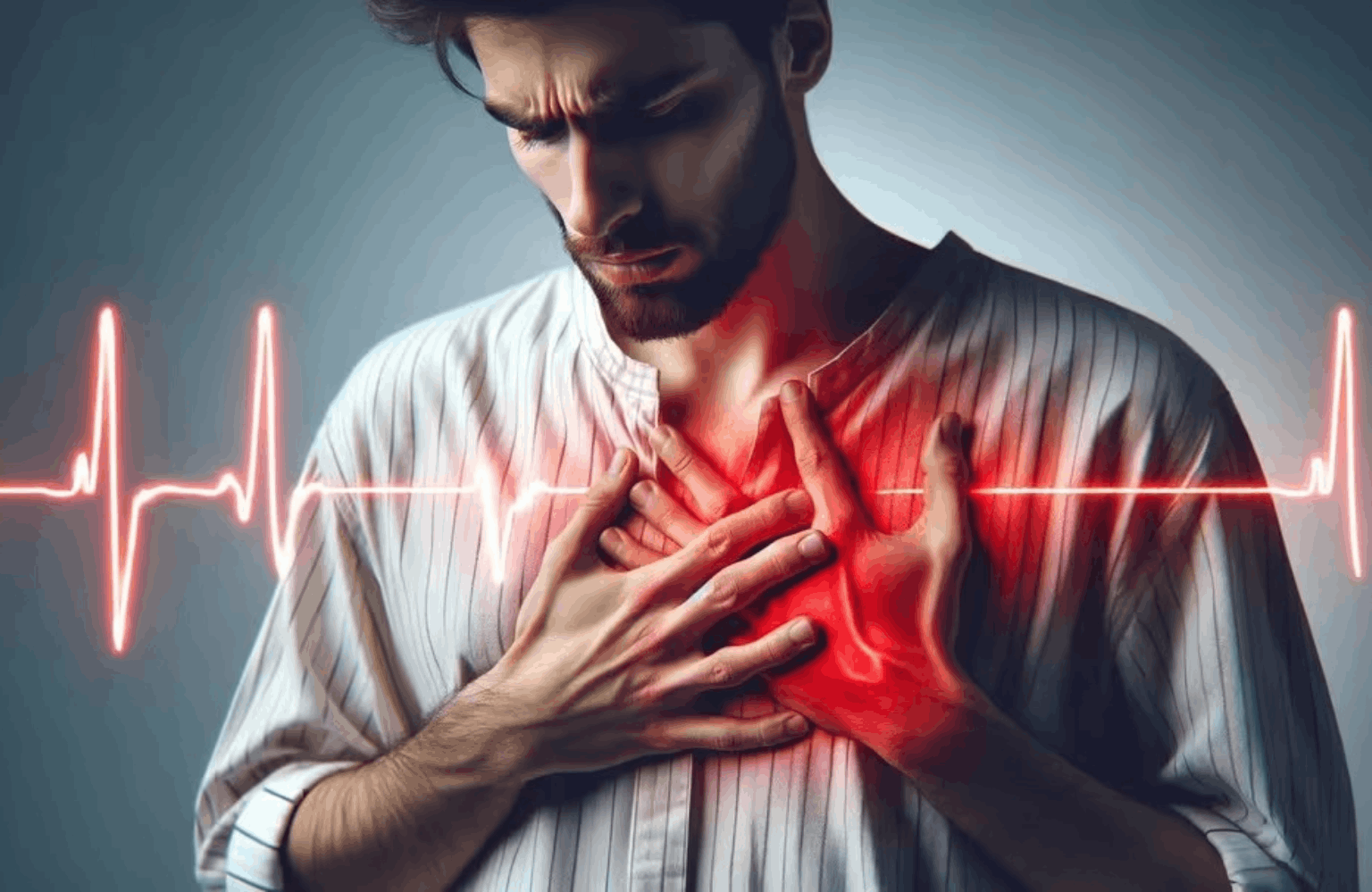
Heart attack correlates with the Ayurvedic condition Hridroga particularly Vataja Hridroga which is characterized by intense crushing or tearing pain in the chest known as Hrit shula. It arises when vitiated Vata dosha often combined with Pitta or Kapha obstructs the coronary channels and affects the heart muscle. Major causes include excessive mental stress suppression of natural urges and the consumption of heavy incompatible foods. Clinical features include severe chest pain breathlessness and fainting. While severe cases are considered critical Ayurveda emphasizes strengthening the heart muscle using the herb Arjuna. Therapeutic procedures like Hrid Basti and gentle medicated enemas are beneficial however intense purification therapies like Vamana and Virechana are strictly contraindicated as the physical strain may worsen the condition.
In Ayurveda, heart disease is collectively known as Hridroga — a term describing disorders of the Hridaya (heart) that can range from chronic conditions to acute attacks analogous to heart attack (myocardial infarction) in modern medicine. Hridroga encompasses conditions where aggravated Doshas disrupt the Rasa (nutrient plasma), Rakta (blood), and Mamsa (muscle) around the heart, leading to pain, obstruction, and systemic distress.
Modern Definition: A heart attack / myocardial infarction occurs when blood flow to a part of the heart is suddenly blocked — usually by a clot in coronary arteries — causing heart muscle damage.
Ayurvedic Definition: Hridroga is a condition where Vata, Pitta, or Kapha vitiate Rasa and Rakta and lodge in Hridaya, causing severe pain, functional obstruction, and systemic manifestations. (Madhava Nidana, Charaka Samhita, Chakradatta)
Literal Meaning:
Conceptual Interpretation:
Ayurveda identifies multifactorial causes for Hridroga:
Dietary Causes:
Excessive Ushna (hot), Guru (heavy), Amla (sour), astringent foods.
Eating before prior meal digestion (Adhyashana).
Lifestyle Causes:
Vegadharana: Suppression of natural urges like vomiting/coughing.
Ativyayama: Excessive exertion.
Abhighata: Trauma to chest.
Psychological Factors:
Samprapti Ghataka:
Dosha: Vata, Pitta, Kapha.
Dushya: Rasa, Rakta, Mamsa.
Srotas: Pranavaha and Rasavaha.
Adhisthana: Hridaya.
Vitiated doshas disturb Rasa Dhatu → move to heart → obstruction:
Vata → constriction and severe pain
Pitta → burning
Kapha → heaviness
Tridosha involvement → critical distress
Vataja Hridroga symptoms:
Ayamayate: Heart stretched/tearing sensation
Diryate: Bursting pain
Sphotayate: Explosive pain
Nirmanthyate: Churning inside chest
Shvasa: Shortness of breath
Murcha: Fainting
Moham: Confusion
Stambha: Chest rigidity
Madhava Nidana:
• Ayurvedic Diagnosis (Roga Pariksha):
◦ Prashna (Questioning): Identifying the nature of pain. "Churning" or "tearing" pain indicates Vata/Heart Attack.
◦ Pulse Examination: Though not detailed in every text, clinical findings like Pita-Kapha Pradhan pulse are noted in practice.
• Differential Diagnosis:
◦ Shula (Colic): Heart pain (Hrit-shula) is differentiated from gastric colic by its location and association with breathlessness and fainting.
◦ Udavarta: Upward movement of wind causing chest pressure, often relieved by burping, unlike a heart attack.
Medicines:
[Arjuna (Terminalia arjuna)](https://www.wisdomlib.org/definition/arjuna): Cardioprotective; prepared as Ksheerapaka or ghee/sugar water
Wheat & Arjuna porridge
Vallabha Ghrita (medicated ghee)
Dashamula for pain and breathlessness
Diet: Meat soup (Mamsarasa), old rice, green gram, milk; avoid heavy/fried foods
Panchakarma: Avoid Vamana and Virechana in severe heart disease; use Basti and Hrid Basti (warm medicated oil on chest)
• Critical: Heart disease involving "galloping debility," severe vomiting, chest pain, and excessive thirst is considered Asadhya (incurable/fatal) and the physician is advised to decline treatment in such advanced stages.
• Sudden Death: Symptoms like severe pain radiating to the anus or groin, cold clammy perspiration, and fainting are signs of immediate death (Sadyo Marana).
• Manageable: Single-dosha types (e.g., pure Vataja) are treatable if diagnosed early.
• Similarities:
◦ Angina Pectoris: The Ayurvedic description of Hrit-shula (chest pain) with "tearing" or "crushing" sensation matches Angina.
◦ Risk Factors: Both systems identify stress, obesity (Medoroga), and poor diet as primary causes.
• Differences: Ayurveda emphasizes the role of Vata (wind/nervous system) as the primary trigger for the pain, whereas modern medicine focuses on vascular occlusion (blockage).
Prasad V. Kulkarni & Gogate Vishwas, Understanding Cardiovascular Disorders — An Ayurvedic Approach — a journal article exploring heart disease pathophysiology in Ayurveda, including vitiation of Rakta and Kapha in Hridroga. (jaims.in)
Ayurvedic Hridroga Case Reports – A PubMed case study detailing Ayurvedic treatment for valvular heart disease (Hridroga), demonstrating measurable clinical improvement. (PubMed)
Critical Analysis of Some Cardiac Disorders in Ayurveda Vigyan — an analytical review discussing Ayurvedic interpretation of heart conditions. (ClinicSearch)
A review on cardiac diseases in Ayurveda — a peer‑reviewed article summarizing multiple heart disease correlations and Ayurvedic perspectives. (Wisdom Library)
Ayurveda Approach for Ischemic Heart Disease – Case Report — describes Ayurvedic dietary and lifestyle management used in ischemic heart disease. (IJACare)
Q: Can Ayurveda cure a heart attack?
A: Ayurveda describes management for Hridroga. While it offers potent remedies like Arjuna for strengthening the heart and managing chronic conditions, acute symptoms described as "tearing pain" with fainting (Heart Attack) are considered critical. Classical texts often list severe cases as incurable or fatal (Asadhya) if accompanied by extreme debility.
Q: Is Arjuna bark good for heart attacks?
A: Arjuna is the drug of choice in Ayurveda for all heart diseases. Chakradatta states that Arjuna bark powder taken with milk, ghee, or jaggery water cures heart disease, chronic fever, and internal bleeding. It is used for both prevention and recovery.
Q: Why is vomiting (Vamana) bad for heart patients?
A: According to the Practical Handbook of Panchakarma Procedures, Hridroga (heart disease) is a specific contraindication for Vamana. The physical strain of vomiting increases pressure in the chest and can worsen heart failure or trigger an event.
Q: What lifestyle changes does Ayurveda suggest to prevent heart disease?
A: Ayurveda emphasizes avoiding Vegadharana (suppression of natural urges like urine, gas, or thirst), managing mental stress (Chinta), and avoiding heavy, incompatible foods that produce toxins (Ama).
Written By
Sathyaprek
BDS
Reviewed By
Dr. Varun Gupta
MD Pharmacology, MBBS
Last updated on
Oct 22, 2026 • 06:23 PM (IST)
Read Our Editorial Policy
Want to know more?
Have issue with the content?
Report Problem
Hindi article explaining हार्ट अटैक/हृदयाघात के लक्षण और आयुर्वेदिक उपाय (symptoms and Ayurvedic home strategies). (sehatdoctor.com)
AIIMS Expert Advice on Heart Attack Prevention & Early Management — up‑to‑date clinical tips to recognize and respond to heart attack symptoms. (mint)
OnlyMyHealth Hindi overview on causes of हार्ट अटैक (Heart Attack) & prevention. (Onlymyhealth)
Explore more articles about this topic
Plaque, clots and risk factors behind heart attack. Call 112 or 102 in an emergency.
Call 112 or 102, angioplasty or clot-dissolving drugs, hospital care and rehab.
STEMI, NSTEMI, unstable angina and less common forms, all needing emergency care.
Hospital and long-term heart medicines, why not to stop them, herbal cautions.
Ayurvedic view of hridroga as an adjunct after medical care, with limited evidence.
ECG, troponin, echocardiogram and angiography, started within minutes of arrival.
